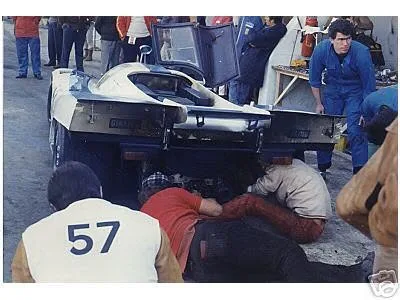
Sortie des ateliers de Stuttgart en avril 1969 sous le numéro de châssis 917-025, cette Porsche 917 revêt une importance historique toute particulière : il s'agit ni plus ni moins du tous dernier châssis de la première série de 25 exemplaires construits en 1969, présenté ce fameux 21 avril aux commissaires de la FIA pour valider l'homologation officielle du modèle. Propulsée par le monstrueux moteur V12 à plat de 4,5 litres (4494 cm³) alimenté par une pompe à injection et développant 600 chevaux pour un poids plume de 800 kilos, elle arbore les teintes de la structure privée Zitro Racing.
Contrairement aux 917 monopolisées par les programmes officiels (usine, John Wyer, Salzburg ou Martini), le châssis 025 fait partie des très rares exemplaires vendus à des écuries privées. Son acquéreur initial est le richissime homme d'affaires bolivien résidant en Suisse Jaime Ortiz-Patiño (héritier d'une immense dynastie minière spécialisée dans l'étain). Propriétaire d'une Ford GT40 qu'il faisait courir sous la bannière Zitro Racing (un clin d'œil inversé à son patronyme « Patiño ») pour son gendre/filleul Dominique Martin, il remplace cette dernière au printemps 1970 par cette toute nouvelle Porsche 917 K.
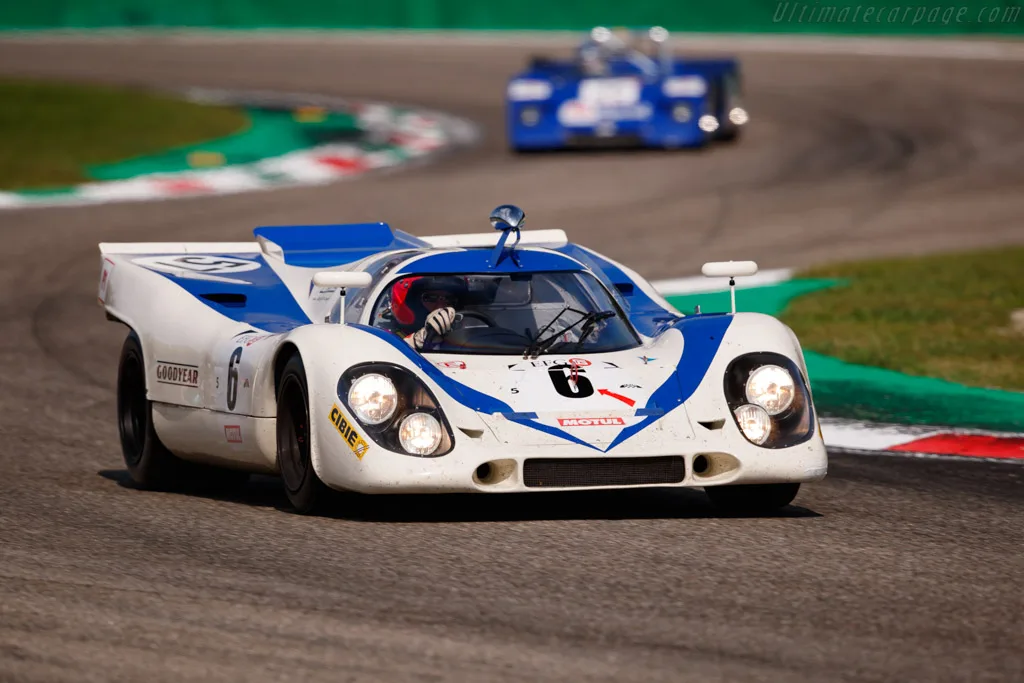
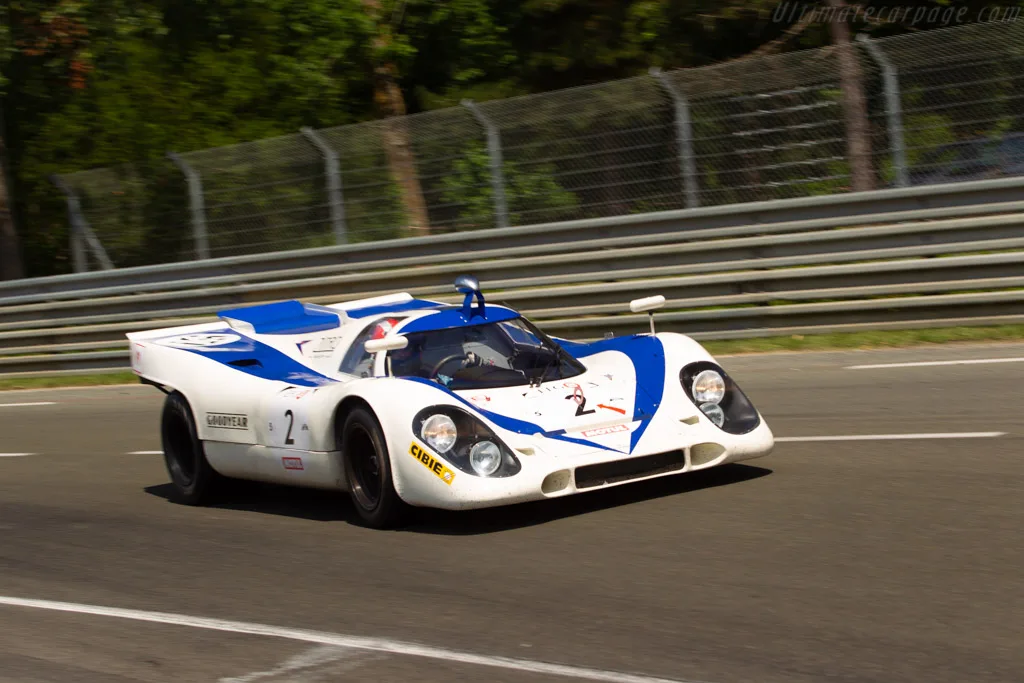
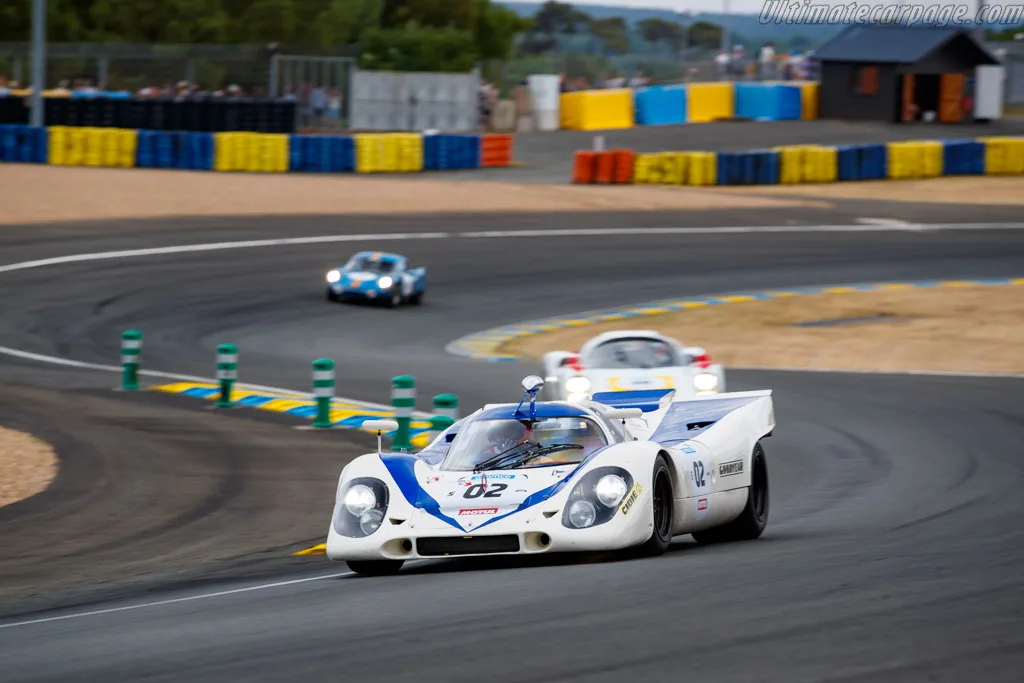
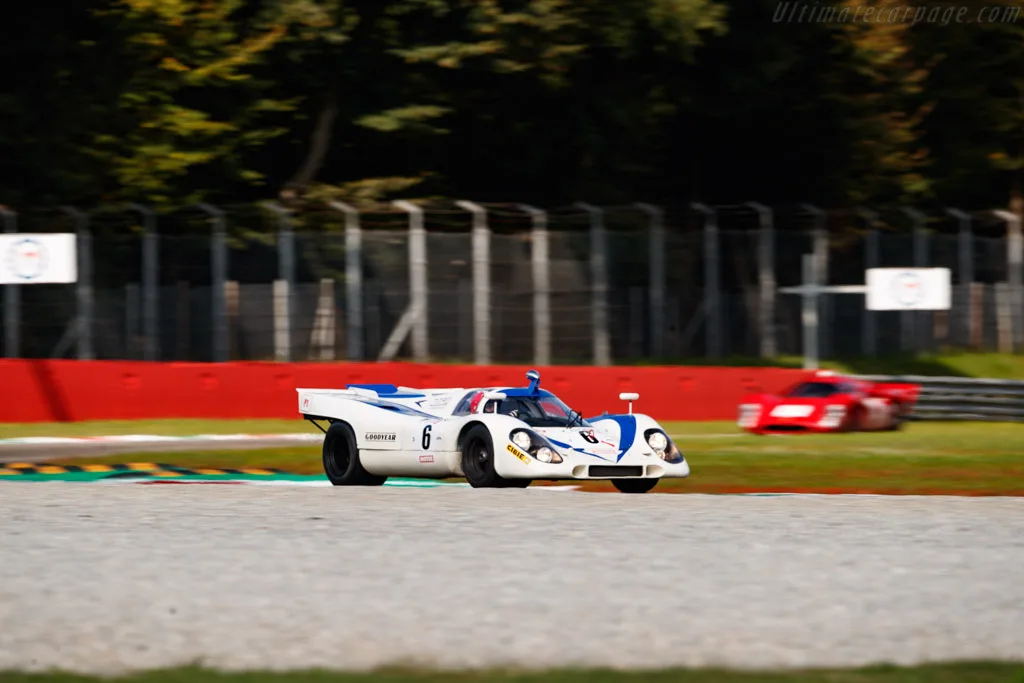
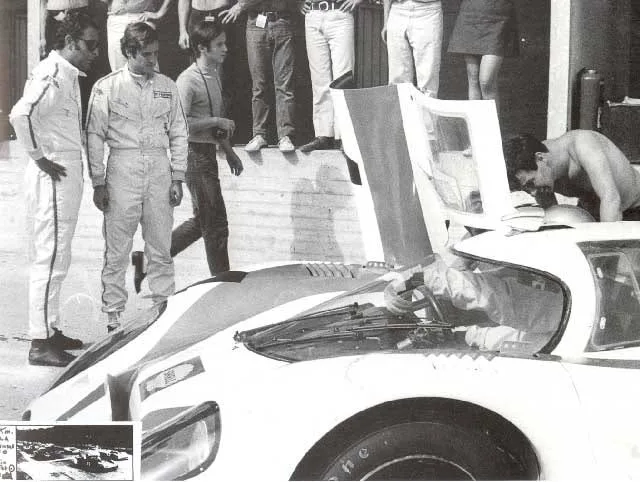
La voiture débute sa carrière en juillet 1970 à Hockenheim arborant une simple livrée entièrement blanche, avant de se parer rapidement de bandes bleues inversées et d'un rétroviseur de toit caractéristique. Dominique Martin exploite intensément le châssis durant les saisons 1970 et 1971 à travers l'Europe et l'Amérique du Sud :
- 1970 : après une première prise de contact à Hockenheim, la voiture dispute plusieurs épreuves (avec notamment Nino Vaccarella à Imola) et s'offre son meilleur résultat avec une superbe troisième place finale lors des Coupes du Salon à Montlhéry en octobre.
- 1971 : la voiture enchaîne les manches mondiales et nationales, se classant dixième aux 1000 Kilomètres de Buenos Aires en janvier (avec Pablo Bréa), neuvième du test et des 1000 Kilomètres de Monza, avant de connaître des sorts divers jusqu'aux 24 Heures du Mans 1971, où l'équipage Martin / Gérard Pillon doit abandonner sur rupture de boîte de vitesses.
Fin 1971, Dominique Martin met la voiture en vente via une petite annonce dans le magazine Road & Track depuis Genève, proposant la 917 « entièrement reconstruite, comme neuve, jamais accidentée » pour la coquette somme de 30 000 dollars.
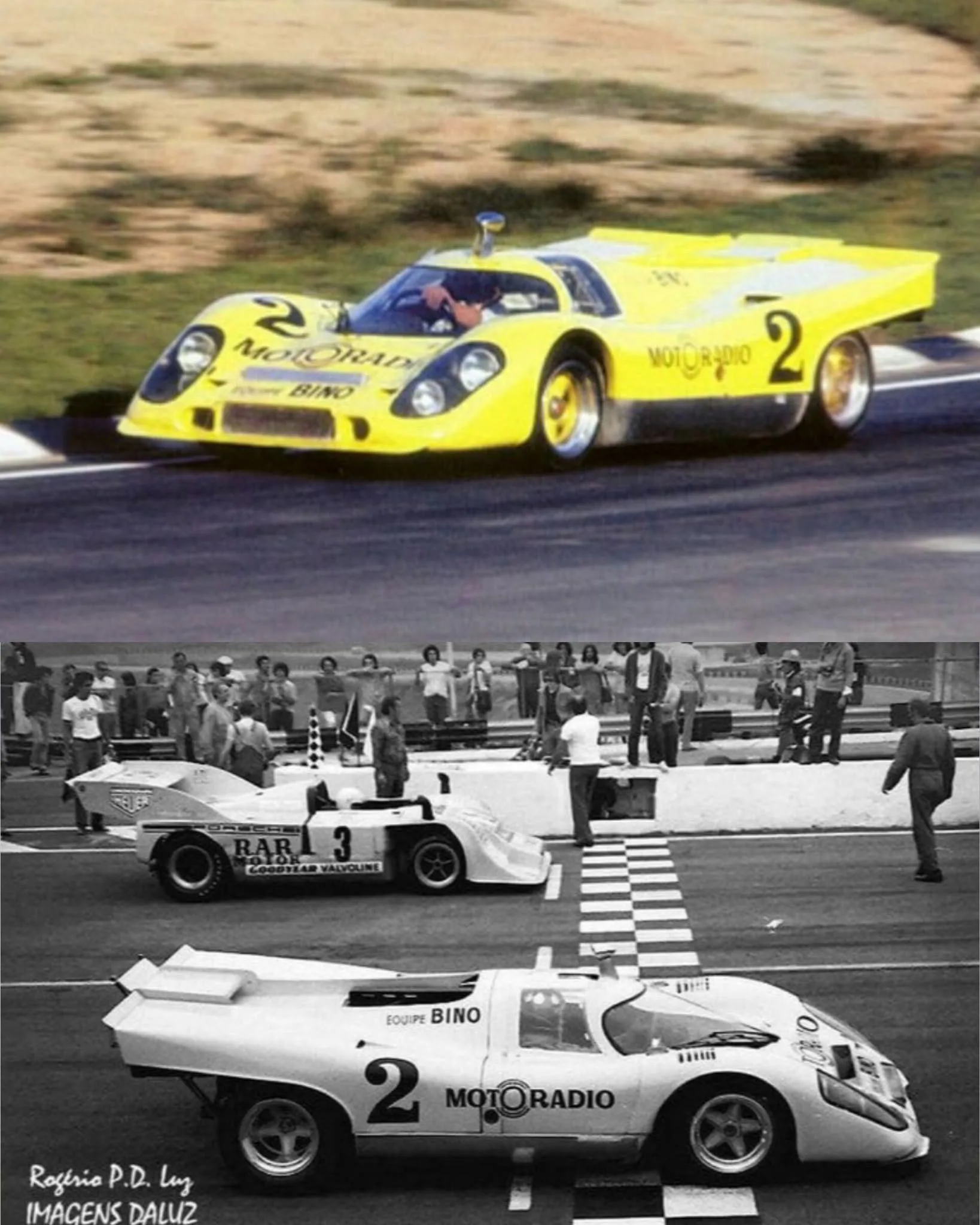
Acquise par la célèbre écurie brésilienne des frères Fittipaldi, la 917-025 traverse l'Atlantique, est repeinte en jaune vif, et reçoit le soutien de MotoRadio. Elle est pilotée avec brio par Wilson Fittipaldi lors des courses de la Copa Brasil à Interlagos en décembre 1972, signant deux remarquables deuxièmes places avant de conclure par une victoire éclatante lors de la grande finale.
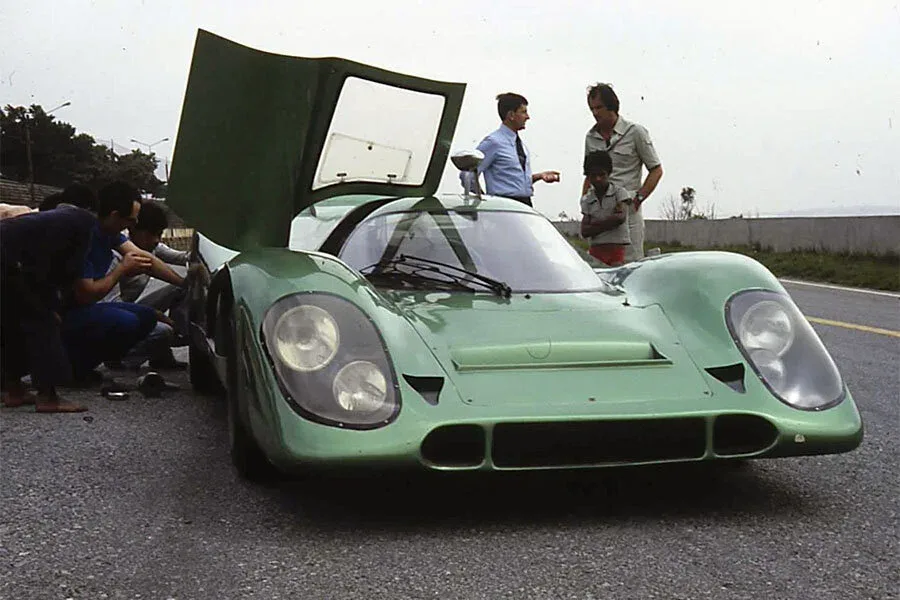
Conservée dix ans par la famille Fittipaldi (période durant laquelle elle adopte une nouvelle livrée verte), la voiture entame ensuite une paisible reconversion entre les mains de figures de la collection internationale : vendue au pilote et marchand David Piper en 1982, elle est achetée en 1984 par l'éminent collectionneur américain Miles Collier, avant de traverser à nouveau l'océan pour rejoindre la Suisse et le collectionneur Peter Vögele en 2005.
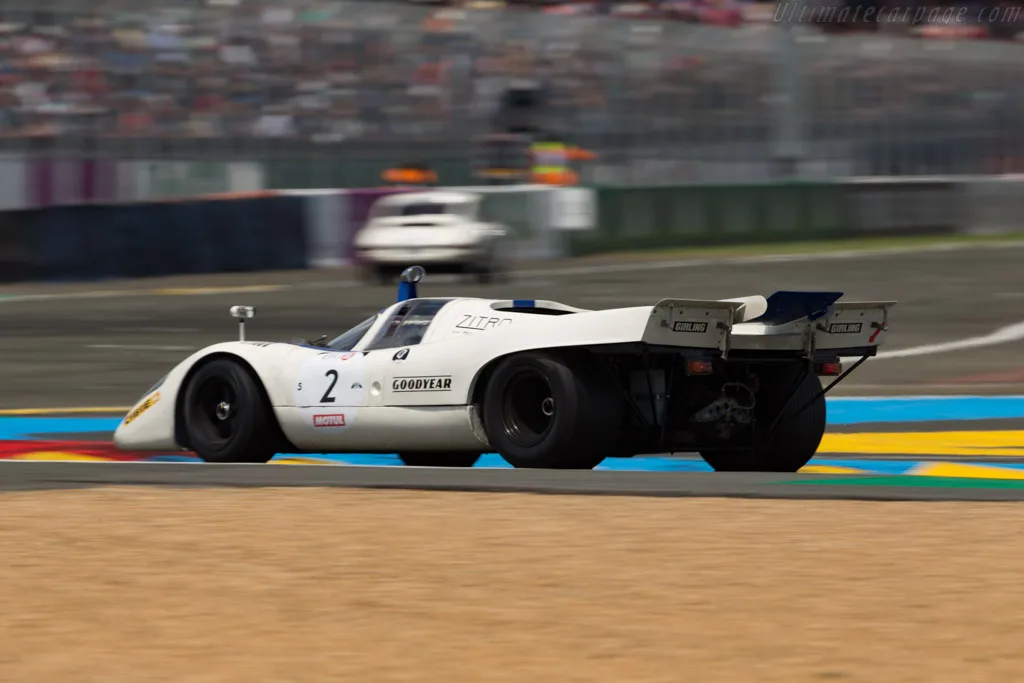
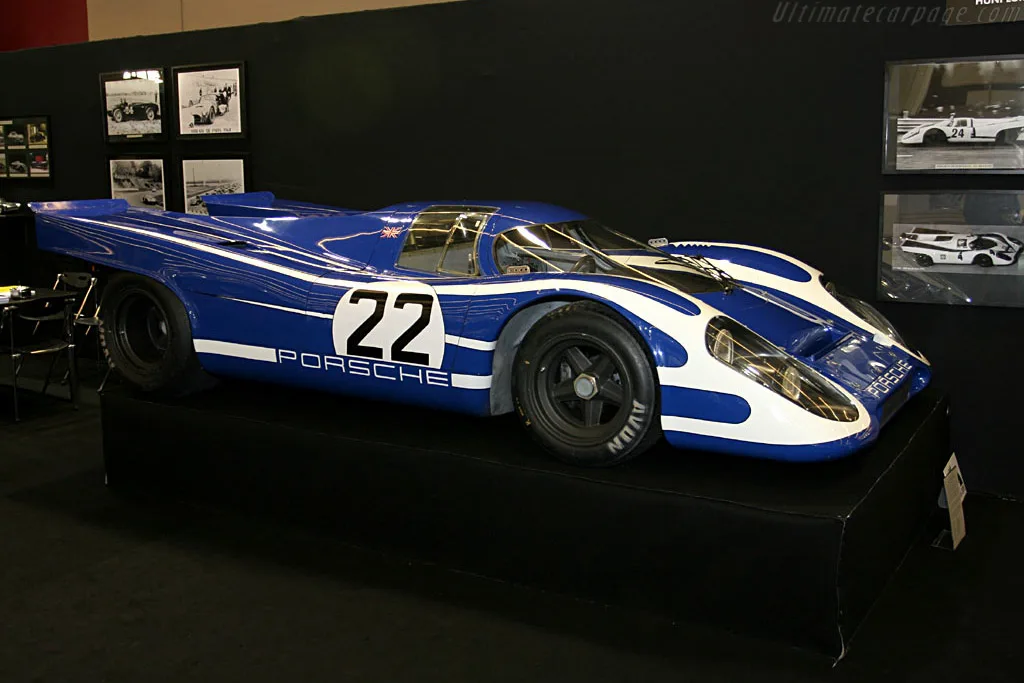
Véritable habituée des pistes historiques les plus exigeantes sous la garde de Peter Vögele, la 917-025 a été magnifiquement restaurée et s'est illustrée à maintes reprises lors des plateaux de prestige, participant notamment au salon Rétromobile en 2006, au Monza Historic et aux Dix Mille Tours en 2019, ainsi qu'à de multiples éditions du prestigieux Le Mans Classic (2016, 2018, 2022, 2023 et 2025).
Emerging from the Stuttgart workshops in April 1969 with chassis number 917-025, this Porsche 917 holds a very special historical significance: it is, in fact, the very last chassis of the initial 25-unit production run built in 1969—the specific car presented to FIA officials on April 21 of that year to secure the model's official homologation. Powered by a monstrous 4.5-liter (4,494 cc) flat-12 engine equipped with an injection pump and producing 600 horsepower—all within a featherweight 800-kilogram frame—the car bears the colors of the private racing team, Zitro Racing.
Unlike the 917s reserved for official factory-backed programs (such as those run by the factory itself, John Wyer, Salzburg, or Martini), chassis 025 was one of the very few examples sold to a private team. Its original purchaser was Jaime Ortiz-Patiño, an immensely wealthy Bolivian businessman residing in Switzerland (heir to a vast mining dynasty specializing in tin). Having previously owned a Ford GT40—which he entered under the banner of "Zitro Racing" (a playful, reversed reference to his surname, "Patiño") for his son-in-law and godson, Dominique Martin—he replaced it in the spring of 1970 with this brand-new Porsche 917 K.
The car began its racing career in July 1970 at Hockenheim, initially sporting a plain, all-white livery, before soon adopting a design featuring inverted blue stripes and a distinctive roof-mounted rearview mirror. Dominique Martin made intensive use of the chassis throughout the 1970 and 1971 seasons, racing across Europe and South America:
- 1970: Following an initial shakedown at Hockenheim, the car competed in several events—notably at Imola with Nino Vaccarella—and achieved its best result: a superb third-place finish at the *Coupes du Salon* in Montlhéry that October.
- 1971: The car took part in a series of world-championship and national events, placing tenth at the 1000 Kilometers of Buenos Aires in January (with Pablo Bréa) and ninth at the 1000 Kilometers of Monza. It then experienced mixed fortunes leading up to the 1971 24 Hours of Le Mans, where the driver pairing of Martin and Gérard Pillon was forced to retire due to a gearbox failure.
At the end of 1971, Dominique Martin placed the car for sale via a classified ad in *Road & Track* magazine. Operating out of Geneva, he offered the 917—described as "completely rebuilt, like new, never crashed"—for the tidy sum of $30,000.
Acquired by the renowned Brazilian racing team owned by the Fittipaldi brothers, chassis 917-025 crossed the Atlantic, was repainted bright yellow, and received sponsorship from MotoRadio. Driven with great skill by Wilson Fittipaldi during the *Copa Brasil* races at Interlagos in December 1972, the car secured two impressive second-place finishes before clinching a resounding victory in the grand finale. Held for ten years by the Fittipaldi family—a period during which it adopted a new green livery—the car subsequently began a quiet new chapter in the hands of prominent figures within the international collector community. It was sold to racing driver and dealer David Piper in 1982, then acquired in 1984 by the distinguished American collector Miles Collier, before crossing the ocean once again to join the collection of Peter Vögele in Switzerland in 2005.
Under the stewardship of Peter Vögele, the 917-025 became a regular fixture on some of the most demanding historic racing circuits. It has been magnificently restored and has distinguished itself on numerous occasions at prestigious events, including an appearance at the Rétromobile show in 2006, the Monza Historic and Dix Mille Tours in 2019, as well as multiple editions of the renowned Le Mans Classic (2016, 2018, 2022, 2023, and 2025).
.webp)
.webp)
.webp)
.webp)
.webp)
.webp)
.webp)
.webp)
.webp)