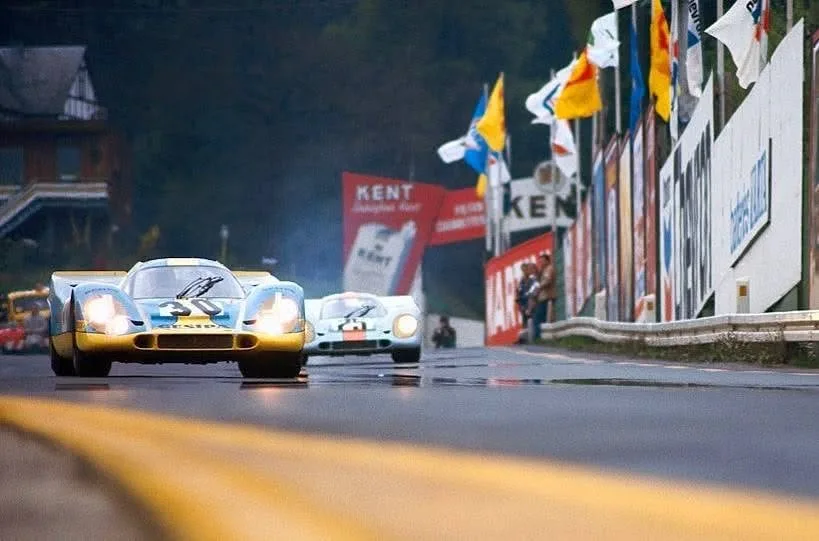
Sortie des ateliers de Stuttgart en avril 1969 sous la bannière de la Porsche KG, cette extraordinaire Porsche 917 porte le numéro de châssis 917-007. Propulsée par le monstrueux moteur V12 à plat de 4,5 litres (4494 cm³) alimenté par une pompe à injection et développant 600 chevaux pour un poids plume d'à peine 800 kilos, elle s'impose comme l'un des châssis les plus prolifiques et polyvalents de toute l'histoire de la marque, tant par sa carrière en endurance que par son engagement intense en championnat Interserie.
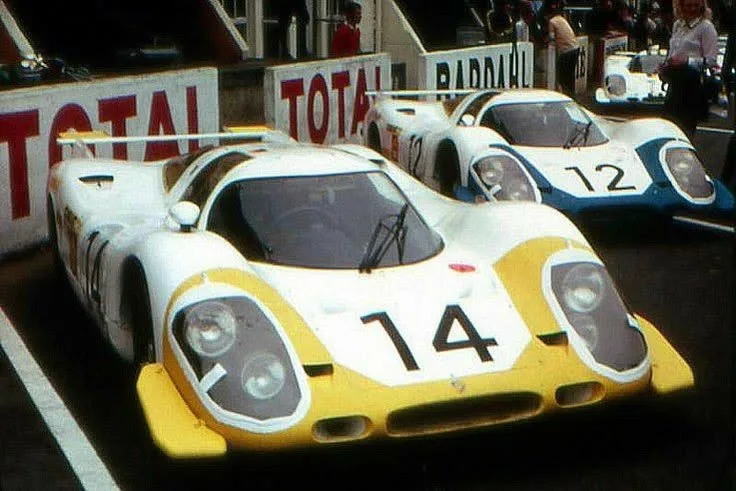
Les débuts officiels de la voiture ont lieu lors des 24 Heures du Le Mans le 15 juin 1969 : engagée par l'usine (voiture n°14) en configuration arrière longue Langheck et confiée au redoutable duo Rolf Stommelen et Kurt Ahrens Jr., la voiture est malheureusement contrainte à l'abandon.
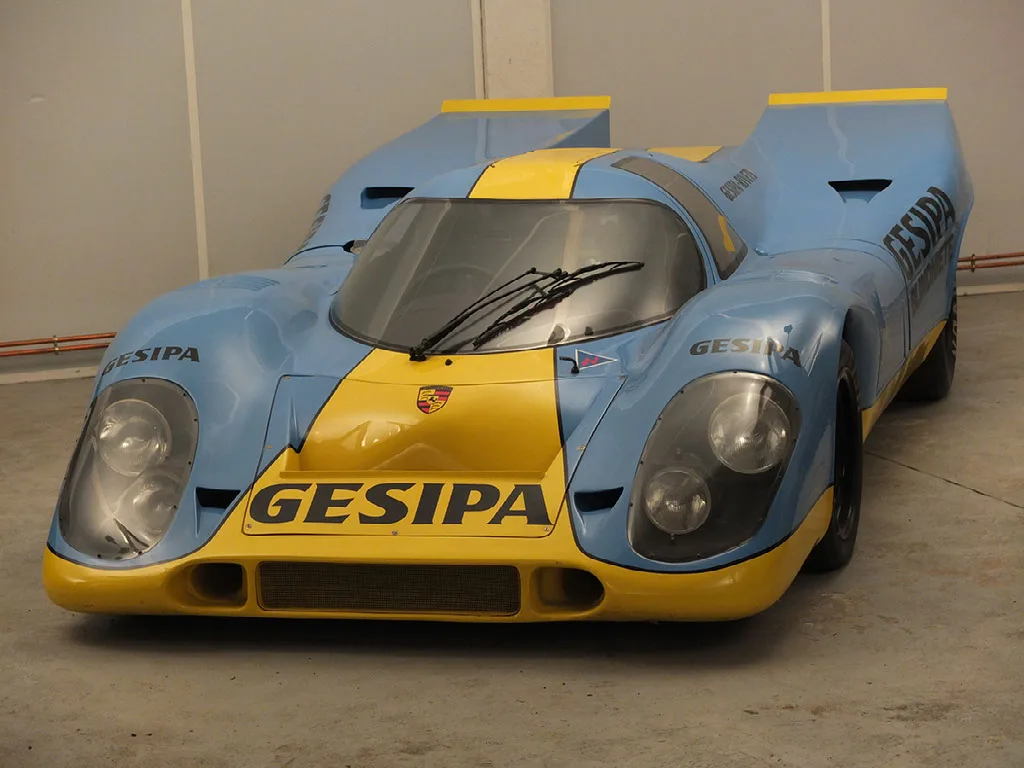
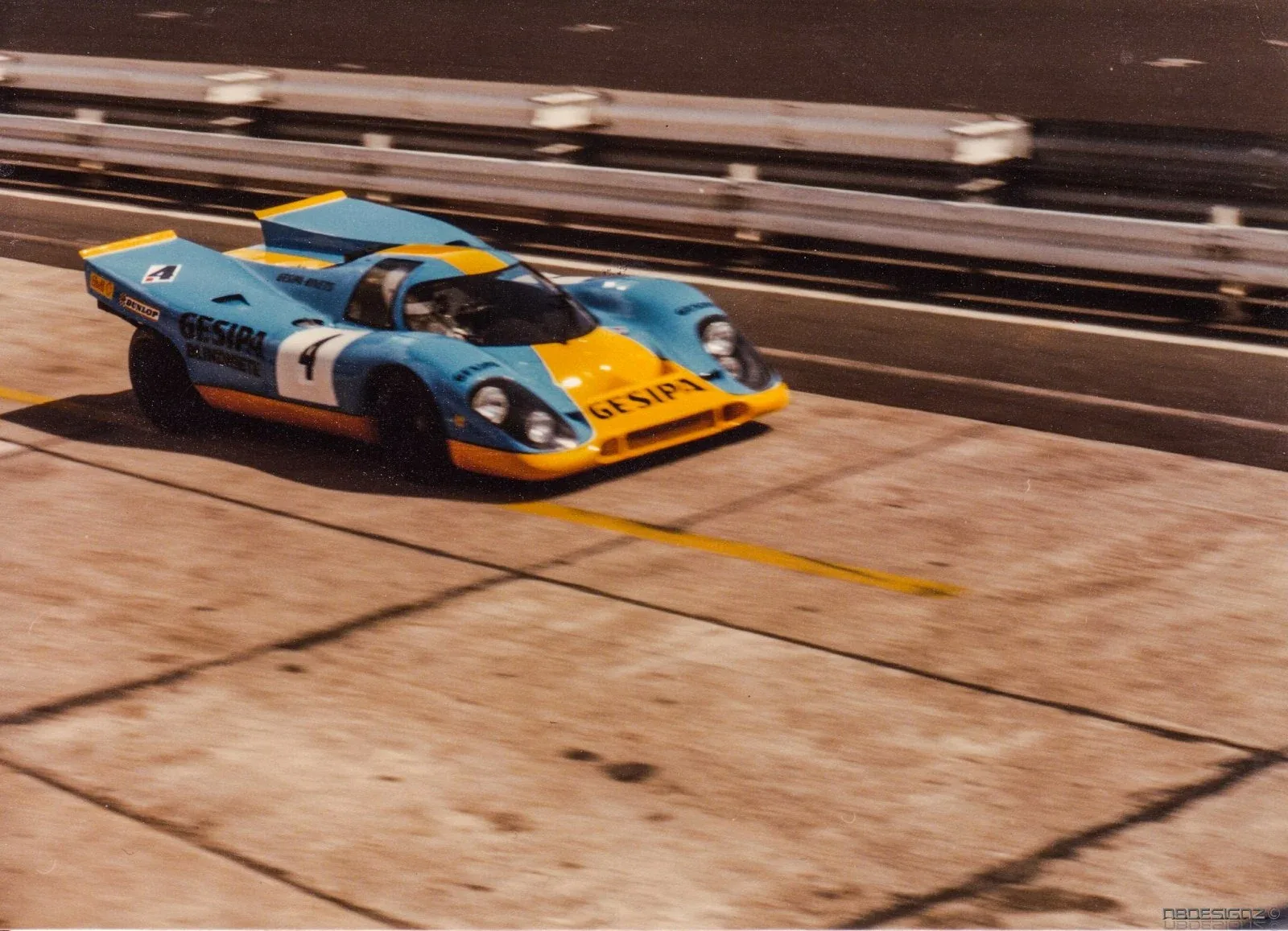
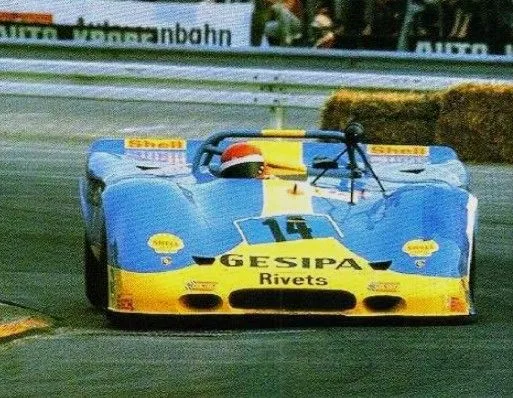
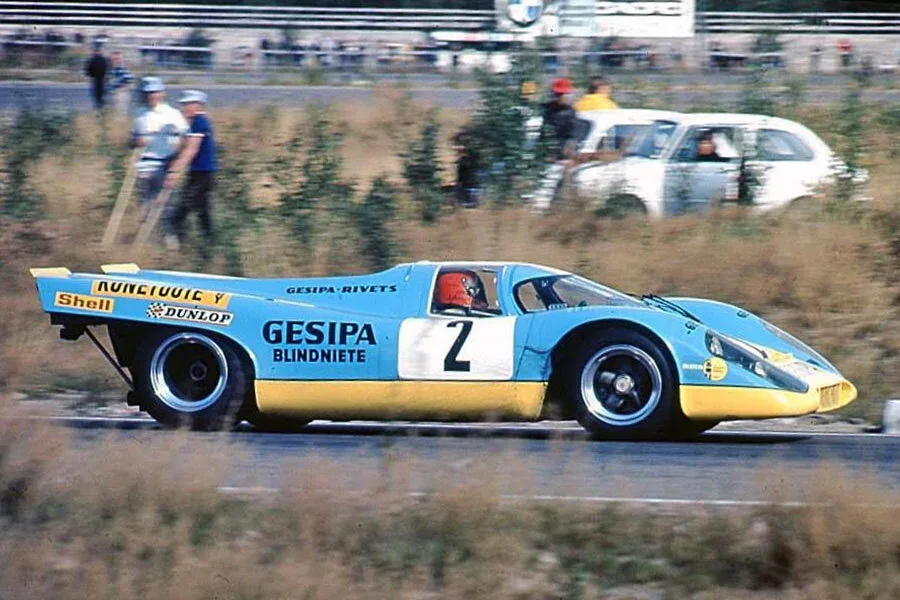
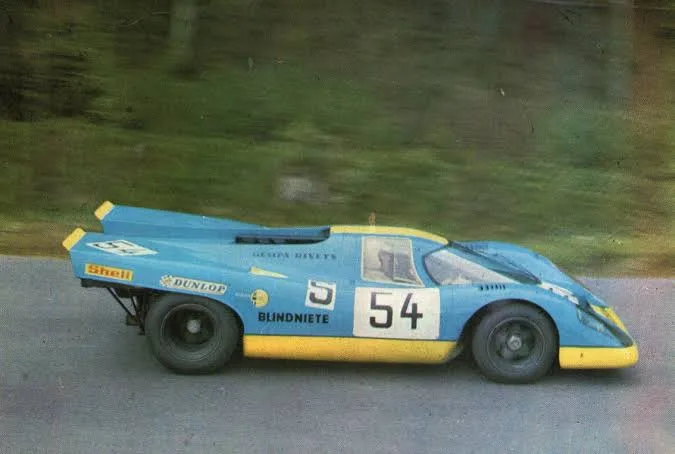
La trajectoire du châssis bascule en 1970 lorsqu'il est vendu au pilote allemand Jürgen Neuhaus (Gesipa). Convertie aux spécifications de la version courte 917 K en 1970, la voiture entame une saison ultra-intensive sur tous les fronts. Neuhaus l'exploite à la fois en Championnat du Monde des Voitures de Sport (aux côtés d'Helmut Kelleners à Monza, Spa et au Nürburgring) et sur la scène nationale et européenne, où elle brille de mille feux : elle s'offre une éclatante victoire d'entrée à Zolder en mars 1970, triomphe à Mainz-Finthen, et enchaîne les podiums et les places d'honneur en Interserie (s'illustrant à Norisring, Hockenheim, Croft, Wunstorf, Keimola et Thruxton).
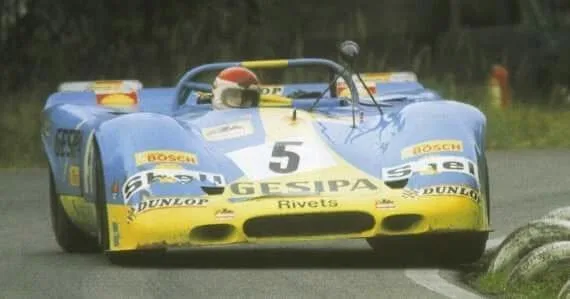
En 1971, la voiture subit de nouvelles modifications pour adopter les spécifications Interserie. Elle est alors pilotée avec panache par Michel Weber sous les couleurs de l'écurie de Neuhaus, courant sur de nombreux tracés européens et décrochant de superbes accessits (notamment des podiums à Mainz-Finthen et lors du Preis von Baden-Württemberg à Hockenheim), avant de participer aux 1000 Kilomètres de Paris en octobre 1971 aux côtés d'Helmut Marko.
La carrière sportive de la 917-007 se poursuit au cours des années suivantes entre les mains d'autres gentlemen-drivers et structures allemandes : acquise par Albert Pfuhl (*Fox Racing*) en 1973, elle continue de courir sporadiquement en Interserie (avec des apparitions à Mayence, Hockenheim et Misano), avant d'être engagée par Hans-Dieter Blatzheim en 1974-1975. C'est durant cette période, en 1976, que le châssis subit une ultime conversion majeure, étant ramené à ses spécifications d'origine de version courte *917 K*.
Retirée de la compétition active, la 917-007 entame une prestigieuse seconde vie au sein de collections de renom international. Acquise en France par Jean Guikas en 1995, puis par François Fabre en 1996, elle rejoint ensuite la célèbre collection belge Rosso Bianco de Peter Kaus, avant d'intégrer en 2006 la collection d'Evert Louwman. Plus récemment, le châssis a écrit un nouveau chapitre de son histoire en rejoignant le 3 décembre 2025 la collection de Christophe d'Ansembourg en Belgique.
Emerging from the Stuttgart workshops in April 1969 under the Porsche KG banner, this extraordinary Porsche 917 bears the chassis number 917-007. Powered by a monstrous 4.5-liter (4,494 cc) flat-12 engine—fed by an injection pump and producing 600 horsepower—all within a featherweight 800-kilogram frame, it stands as one of the most prolific and versatile chassis in the marque’s history, distinguished both by its endurance racing career and its intensive participation in the Interserie championship.
The car made its official debut at the 24 Hours of Le Mans on June 15, 1969. Entered by the factory (car no. 14) in the long-tail (*Langheck*) configuration and entrusted to the formidable duo of Rolf Stommelen and Kurt Ahrens Jr., the car was, unfortunately, forced to retire.
The trajectory of this chassis shifted in 1970 when it was sold to German driver Jürgen Neuhaus (Gesipa). Converted to the short-tail (*917 K*) specification that same year, the car embarked on an ultra-intensive season across multiple fronts. Neuhaus campaigned it in the World Sportscar Championship—teaming up with Helmut Kelleners at Monza, Spa, and the Nürburgring—as well as on the national and European stage, where it truly shone. It secured a brilliant victory in its first outing at Zolder in March 1970, triumphed at Mainz-Finthen, and went on to claim a series of podiums and top-tier finishes in the Interserie championship (with notable performances at the Norisring, Hockenheim, Croft, Wunstorf, Keimola, and Thruxton). In 1971, the car underwent further modifications to meet Interserie specifications. It was then driven with flair by Michel Weber under the banner of the Neuhaus racing team, competing on numerous European circuits and securing impressive results—most notably podium finishes at Mainz-Finthen and the *Preis von Baden-Württemberg* at Hockenheim—before taking part in the 1000 Kilometers of Paris in October 1971, with Helmut Marko as a co-driver.
The racing career of chassis 917-007 continued in the years that followed, passing through the hands of various gentleman drivers and German racing outfits. Acquired by Albert Pfuhl (*Fox Racing*) in 1973, it saw sporadic use in the Interserie—with appearances at Mainz, Hockenheim, and Misano—before being campaigned by Hans-Dieter Blatzheim between 1974 and 1975. It was during this period, in 1976, that the chassis underwent one final major conversion, being restored to its original short-tail *917 K* configuration.
Following its retirement from active competition, 917-007 began a prestigious second life within several world-renowned collections. Acquired in France by Jean Guikas in 1995 and subsequently by François Fabre in 1996, it later joined Peter Kaus’s famous Belgian *Rosso Bianco* collection, before becoming part of the Evert Louwman collection in 2006. More recently, the chassis added a new chapter to its history when it joined the collection of Christophe d’Ansembourg in Belgium on December 3, 2025.
.webp)
.webp)
.webp)
.webp)
.webp)
.webp)
.webp)
.webp)
.webp)