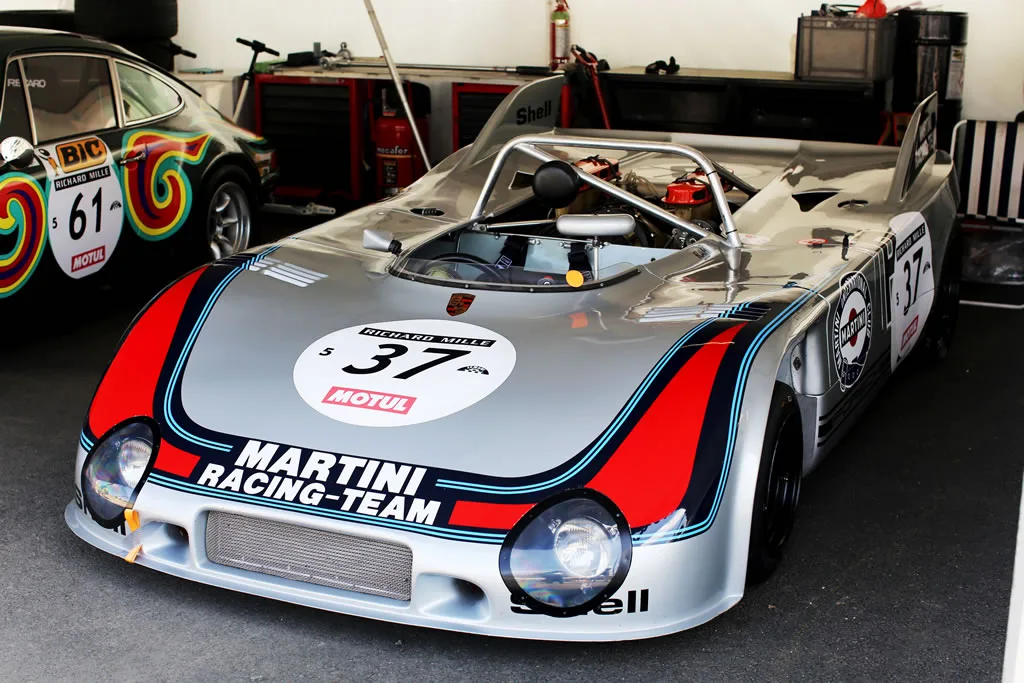
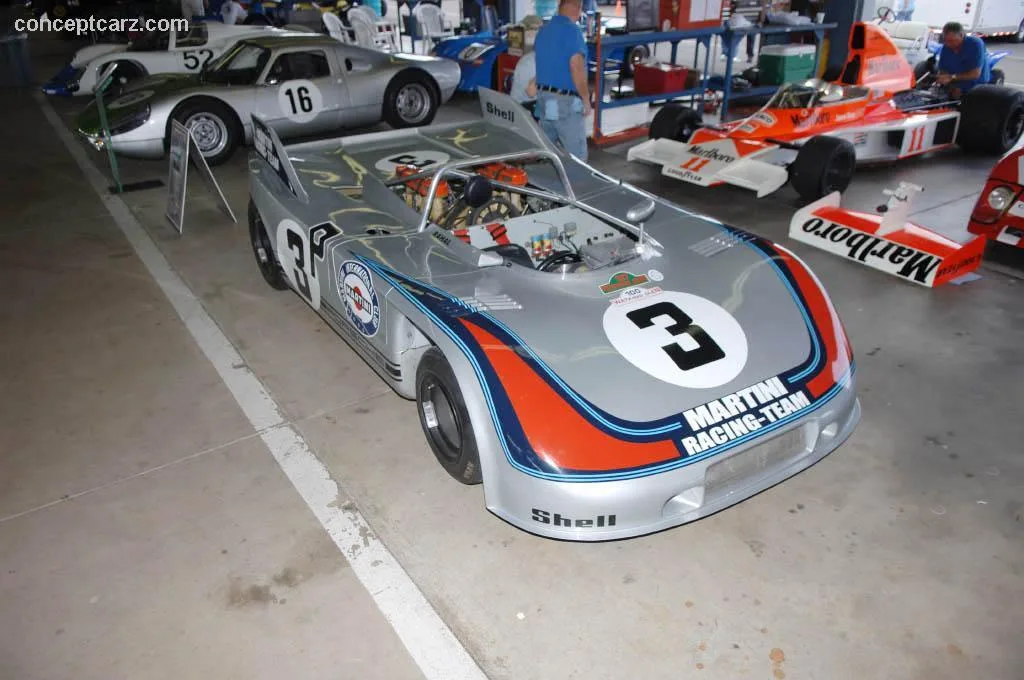
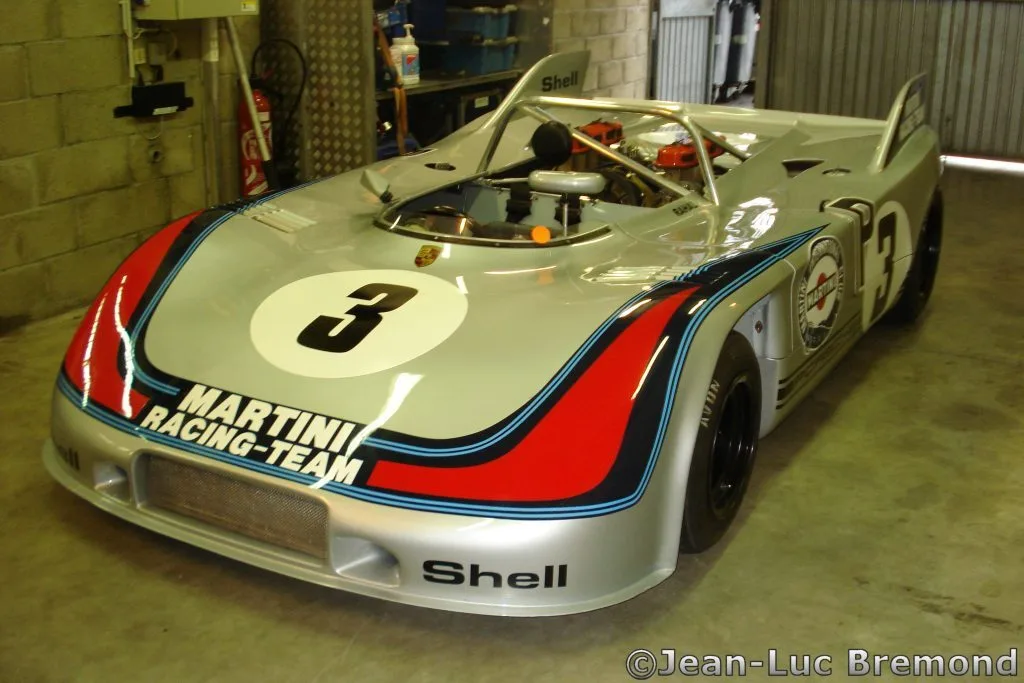
Identifié par le numéro de châssis 908/03-006, ce prototype fait partie des premières 908/3 assemblées par l'usine Porsche. Durant les saisons 1970 et 1971, cette voiture n'a participé à aucune course officielle. Son unique apparition d'époque sous la bannière officielle a eu lieu lors de la Targa Florio 1970, où elle a servi de mulet de développement (T-Car) pour les essais libres de l'équipage Hans Herrmann et Vic Elford.
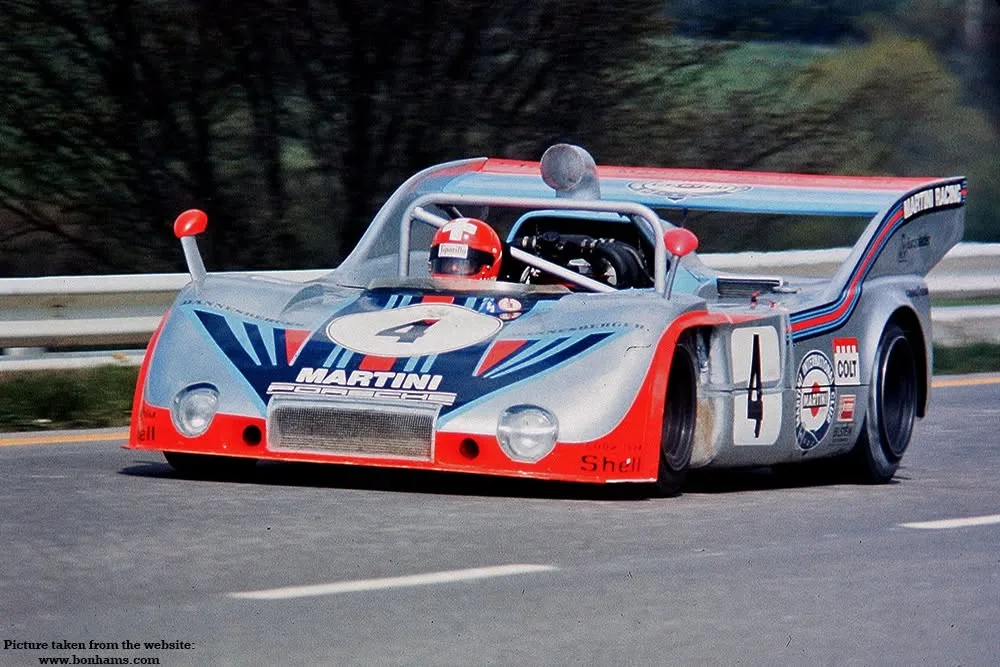
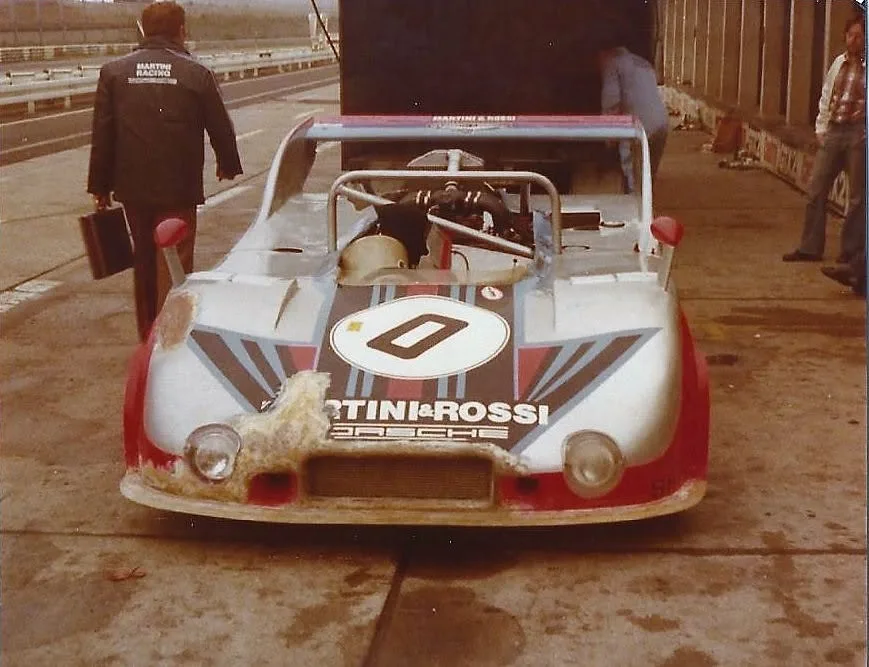
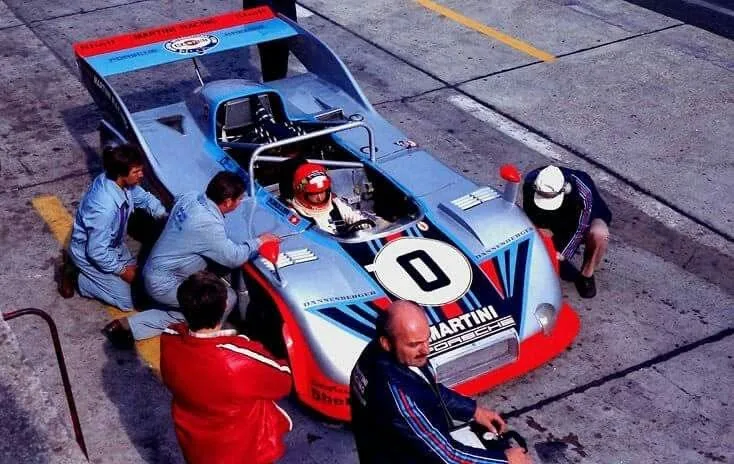
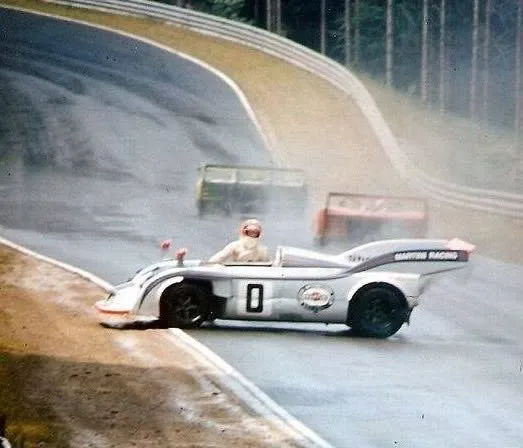
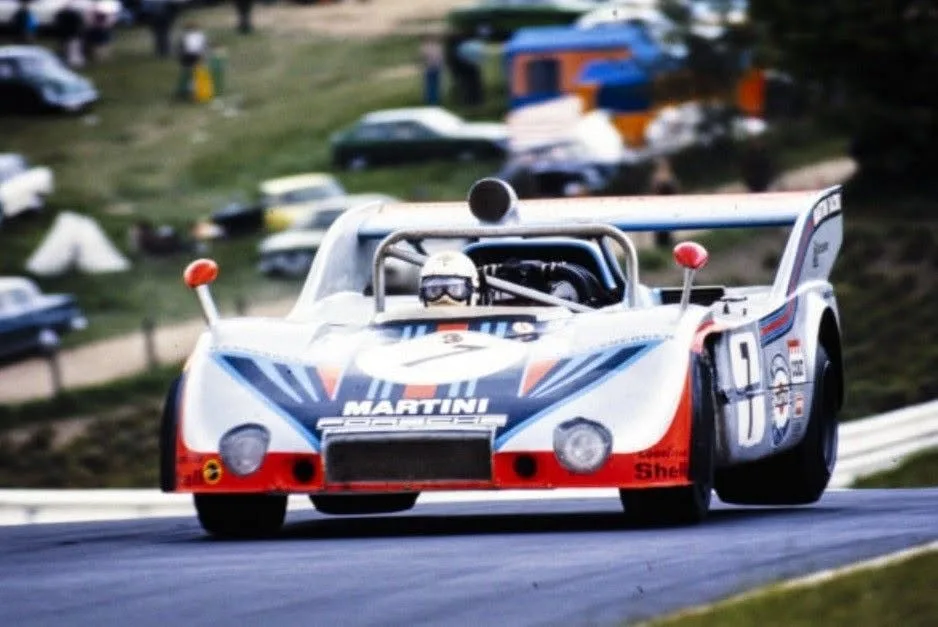
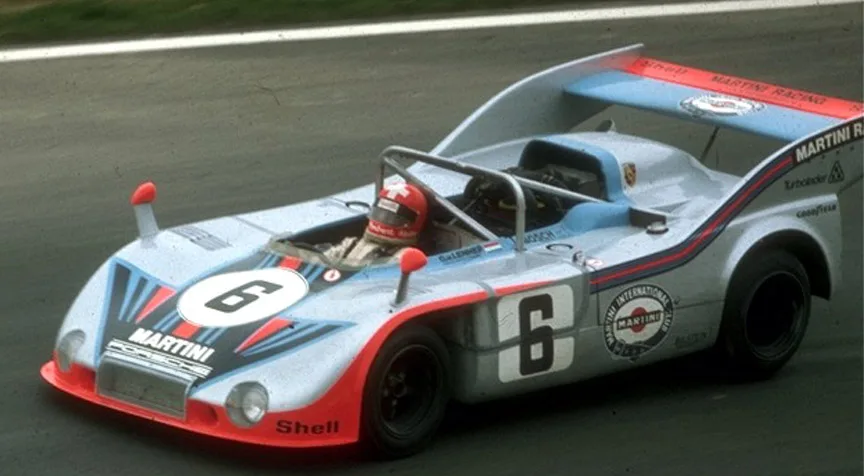
La carrière sportive du châssis 006 débute véritablement plusieurs années plus tard. Profondément modifié pour accueillir un moteur turbocompressé, il est intensivement engagé en compétition de 1975 à 1979. Il court d'abord sous la houlette du Dennesburger Racing et du redoutable pilote suisse Herbert Müller. En 1975, l'auto s'illustre tant en Interserie qu'en Championnat du Monde des Voitures de Sport, décrochant de superbes 3èmes places aux 1000 km du Mugello et aux 1000 km du Nürburgring, ainsi que plusieurs podiums en Interserie.
La voiture passe ensuite sous les couleurs du Kremer Racing. Pilotée notamment par Bob Wollek en 1978, elle continue d'écumer le championnat Interserie avec succès, glanant une victoire à Kassel-Calden et plusieurs deuxièmes places. Klaus Ludwig prendra également son volant à la fin de la décennie.
À l'issue de sa vie en compétition contemporaine, la 006 est acquise par Hans Dieter Blatzheim en 1980. Dans les années 1990, elle traverse l'Atlantique grâce au spécialiste Dale Miller. Elle intègre alors les collections de passionnés nord-américains renommés, dont John Wean (1996), le célèbre pilote Bobby Rahal (1998), puis Greg Galdi à New York (2003).
En 2016, ce châssis historique fait son grand retour en Europe après avoir été vendu par le spécialiste britannique Maxted-Page. Acquis par le pilote et collectionneur français François Perrodo, il est depuis entretenu et stocké dans les ateliers de Crubilé Sport. La voiture a repris la piste lors de l'édition 2016 du Mans Classic, pilotée par le trio Perrodo / Collard / Crubilé.
Identified by chassis number 908/03-006, this prototype is one of the first 908/3 models assembled by the Porsche factory. During the 1970 and 1971 seasons, the car did not participate in any official races. Its only appearance of the era under the official factory banner occurred at the 1970 Targa Florio, where it served as a development mule (T-car) for practice sessions for drivers Hans Herrmann and Vic Elford.
The racing career of chassis 006 truly began several years later. Extensively modified to accommodate a turbocharged engine, it saw intensive competitive use between 1975 and 1979. It first competed under the banner of Dennesburger Racing and the formidable Swiss driver Herbert Müller. In 1975, the car distinguished itself in both the Interserie and the World Sportscar Championship, securing impressive third-place finishes at the 1000 km of Mugello and the 1000 km of the Nürburgring, in addition to several podiums in the Interserie.
The car subsequently moved to the Kremer Racing stable. Driven notably by Bob Wollek in 1978, it continued to compete successfully in the Interserie championship, claiming a victory at Kassel-Calden along with several second-place finishes. Klaus Ludwig also took the wheel toward the end of the decade.
Following the conclusion of its contemporary racing career, chassis 006 was acquired by Hans Dieter Blatzheim in 1980. In the 1990s, it crossed the Atlantic, brought over by specialist Dale Miller. It subsequently joined the collections of renowned North American enthusiasts, including John Wean (1996), the famous racing driver Bobby Rahal (1998), and later Greg Galdi in New York (2003).
In 2016, this historic chassis made its grand return to Europe after being sold by the British specialist firm Maxted-Page. Acquired by French racing driver and collector François Perrodo, it has since been maintained and stored at the workshops of Crubilé Sport. The car returned to the track for the 2016 edition of Le Mans Classic, driven by the trio of Perrodo, Collard, and Crubilé.
.webp)
.webp)
.webp)
.webp)
.webp)
.webp)
.webp)
.webp)
.webp)
.webp)
.webp)
.webp)
.webp)
.webp)
.webp)
.webp)