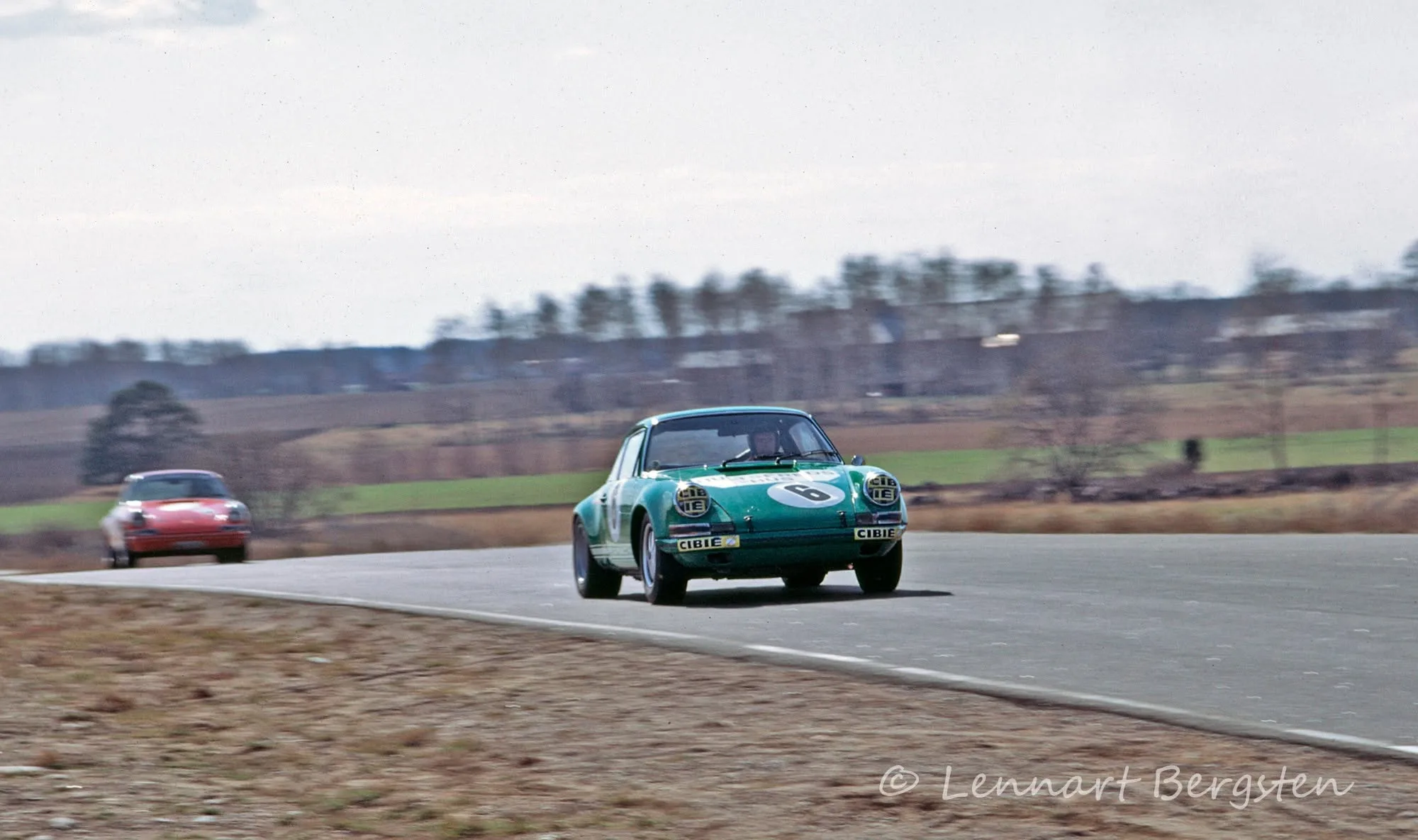
Le châssis 9110301128 est l'un des très rares exemplaires (moins de 21) de la 911 S/T Rally 2,3 litres produits en 1970. Véritable compétition-client construite sur les chaînes de Zuffenhausen juste après la mythique version usine ultra-légère de Gérard Larrousse (châssis 1127), cette voiture arbore la vibrante teinte Conda Green (code 262621). Préparée au département Sport de l'usine, elle bénéficie de la réduction de poids inhérente au modèle (acier affiné, suppression des insonorisants) et du vigoureux Flat-6 2.3L.
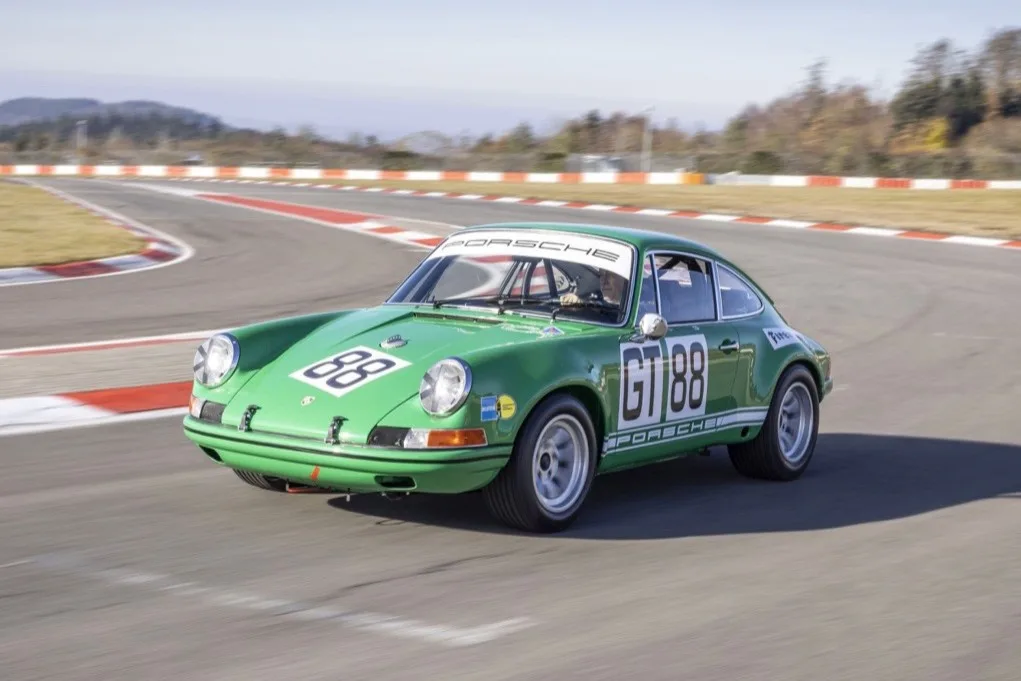
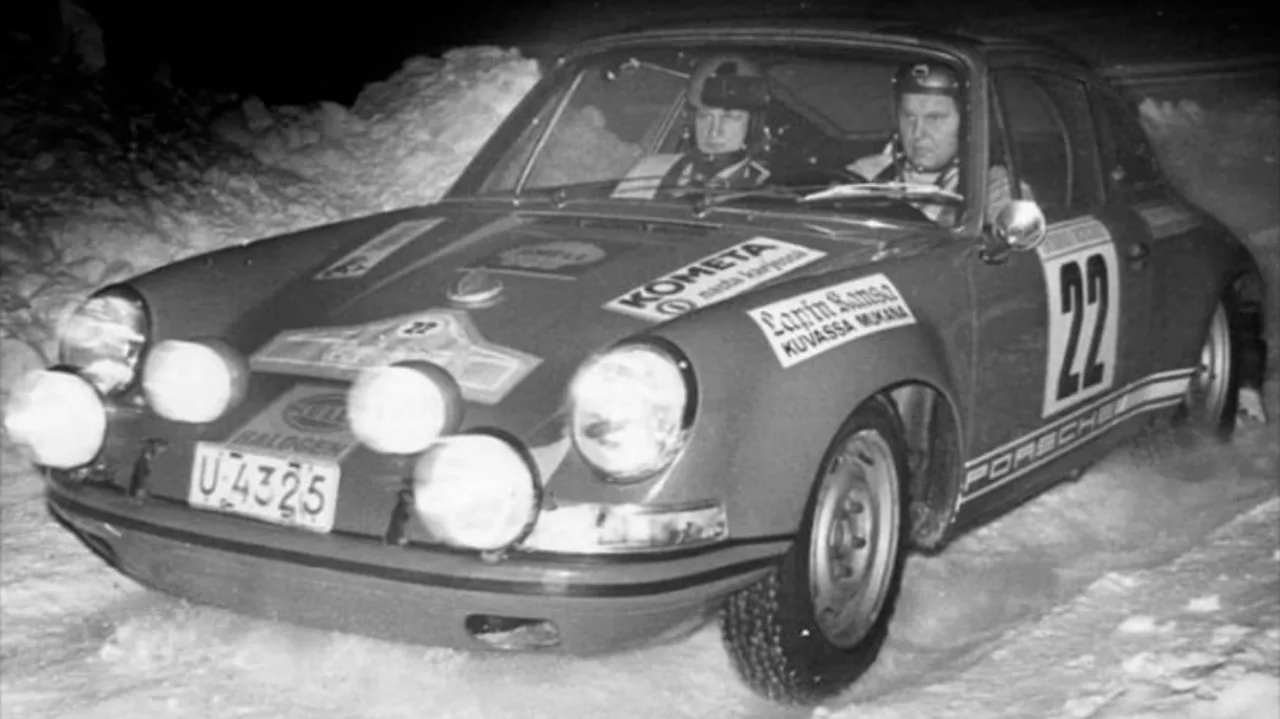
Livrée neuve le 17 juillet 1970 en Finlande au sein du A.A.W. Racing Team (fondé par Antti Aarnio-Wihuri), elle est immédiatement confiée au jeune prodige suédois Björn Waldegård (futur Champion du Monde des Rallyes). La saison 1971 constitue le point d'orgue de la carrière de ce châssis sur circuit. Waldegård, associé à Leo Kinnunen, l'engage aux redoutables 1000 km du Nürburgring (numéro 88). Après avoir pointé en tête de la catégorie GT, une crevaison et des jantes endommagées forcent l'équipage à finir la course avec des montes pneumatiques asymétriques à l'arrière, parvenant tout de même à décrocher la 3ème place de la classe (GT+2.0L) et la 16ème place au classement général. Outre le circuit, elle brille également sur la glace finlandaise en remportant l'Arctic Tunturiralli en 1971.
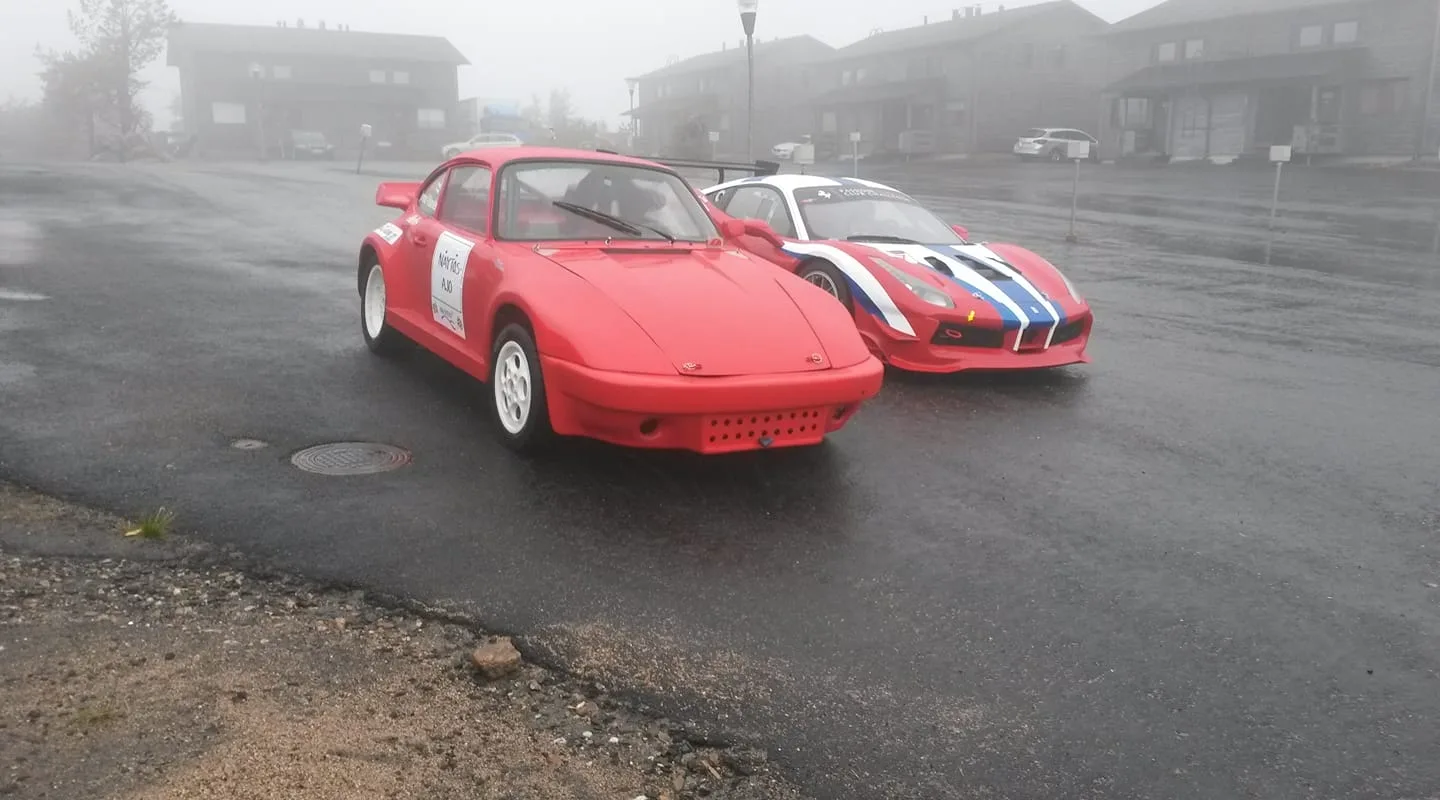
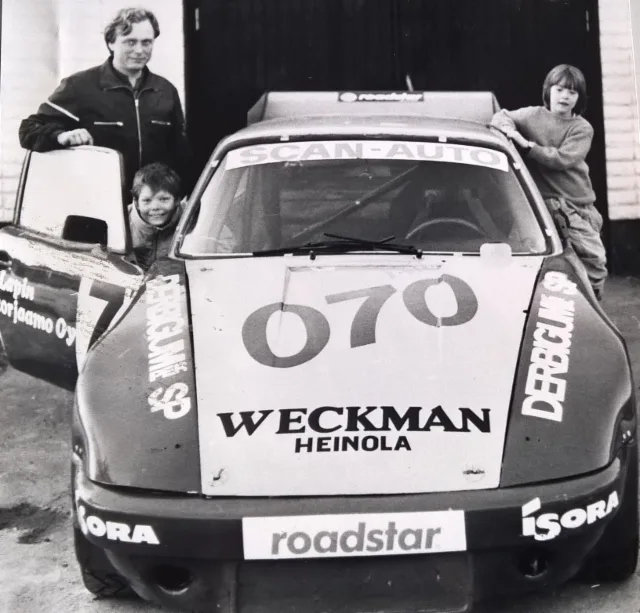
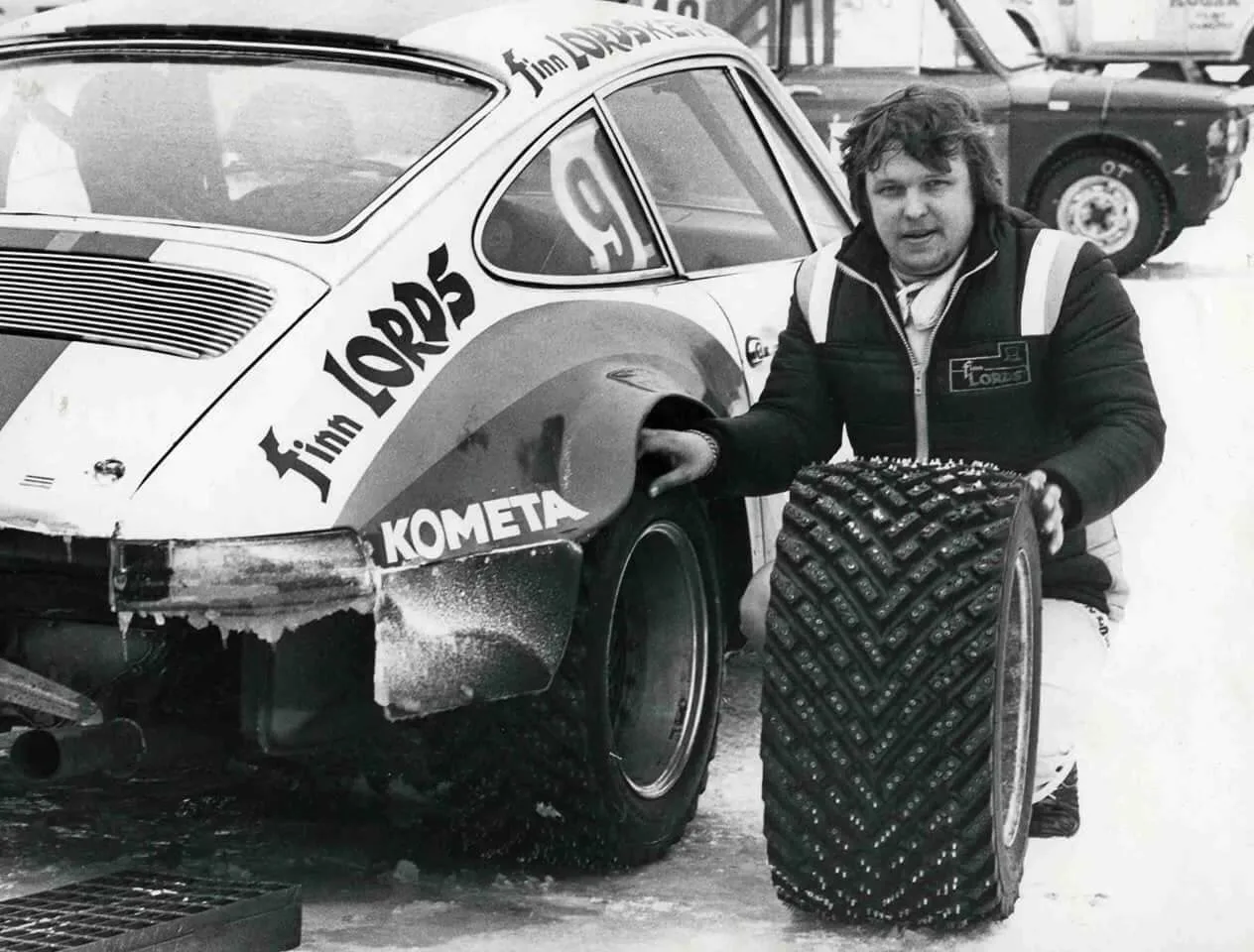
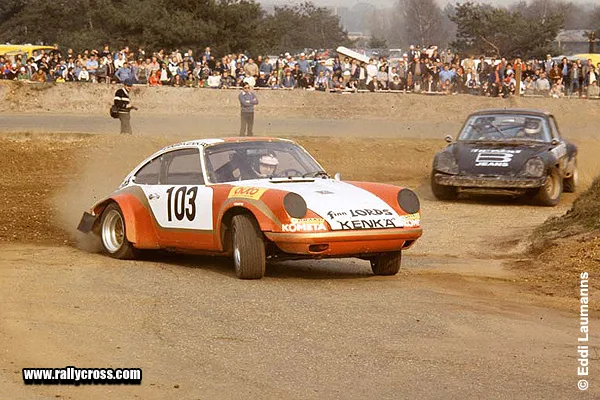
De 1974 jusqu'à la fin des années 2000, la voiture subit de lourdes transformations pour affronter les rudes joutes du rallycross européen. Passée entre les mains de Martti Kangas, Ulf Larsson et Jorma Vilander, elle adopte tour à tour une transmission à quatre roues motrices, un avant plat de type "Flachbau", d'imposants appendices aérodynamiques, et reçoit même à la fin des années 1980 un moteur de Porsche 935 développant jusqu'à 800 chevaux.
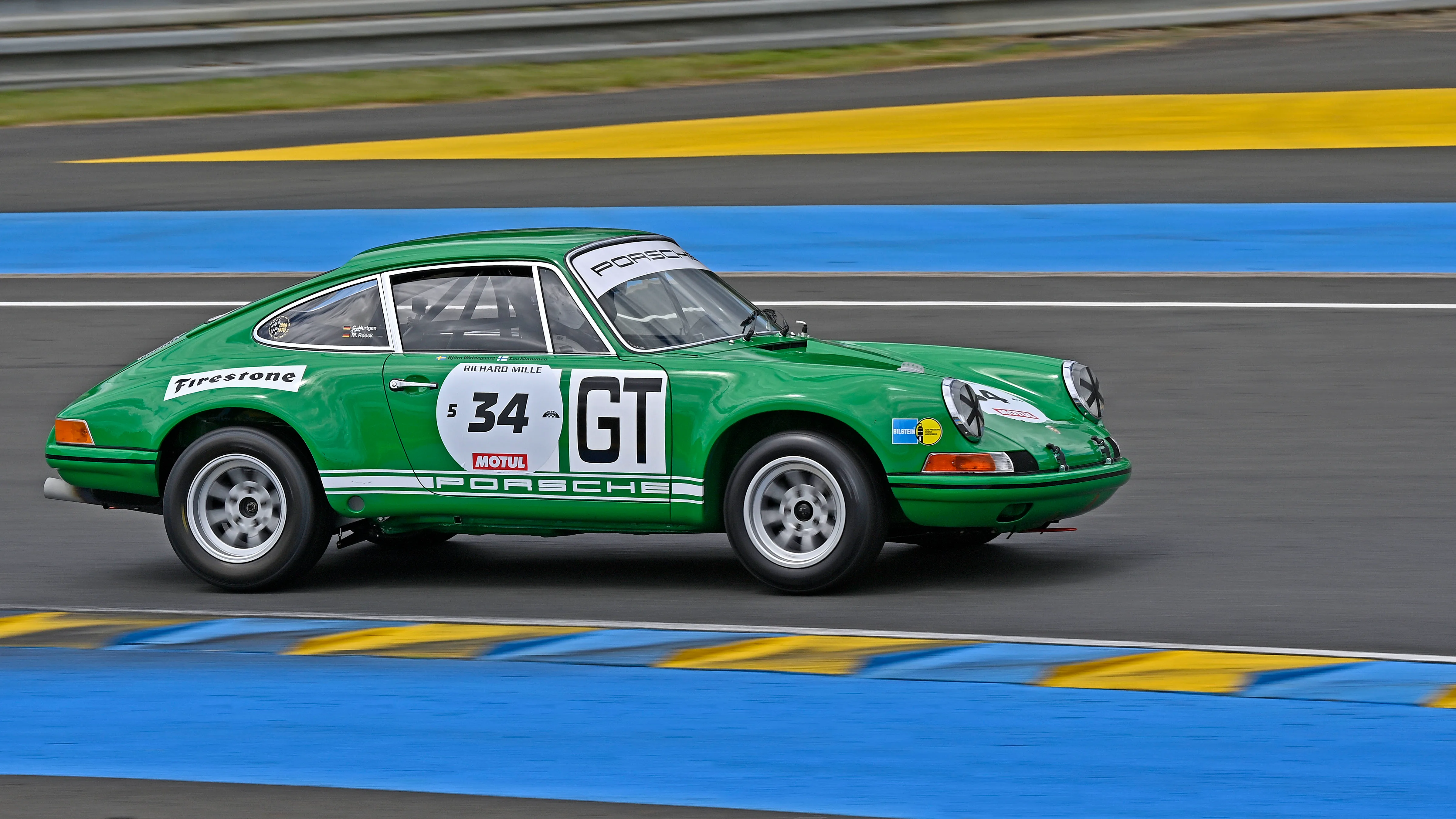
Après de nombreuses années d'exploitation intense, l'épave modifiée est redécouverte en 2019 et acquise par le prestigieux préparateur et restaurateur allemand Roock Sportsystem. Une restauration intégrale et scrupuleuse est alors menée pour effacer les stigmates du rallycross et lui rendre ses exactes spécifications (mécaniques et esthétiques) des 1000 km du Nürburgring 1971. Ainsi remise à neuf, elle s'est illustrée de manière éclatante au Mans Classic 2022 en remportant sa classe (GTS21) avec Michael Roock et Claudia Hürtgen au volant, prouvant que son esprit de compétition est resté intact.
Chassis 9110301128 is one of very few examples (fewer than 21) of the 2.3-liter 911 S/T Rally produced in 1970. A genuine customer-competition model built on the Zuffenhausen assembly lines—shortly after the legendary, ultra-lightweight factory version driven by Gérard Larrousse (chassis 1127)—this car is finished in the vibrant hue of Conda Green (code 262621). Prepared by the factory’s sports department, it features the weight-saving measures characteristic of the model (thinner-gauge steel, removal of sound-deadening materials) and is powered by a potent 2.3-liter flat-six engine.
Delivered new on July 17, 1970, in Finland to the A.A.W. Racing Team (founded by Antti Aarnio-Wihuri), the car was immediately entrusted to the young Swedish prodigy Björn Waldegård—who would go on to become a World Rally Champion. The 1971 season marked the highlight of this chassis’s racing career. Partnered with Leo Kinnunen, Waldegård entered the car in the grueling 1000 km of the Nürburgring (bearing race number 88). After leading the GT category, the team suffered a puncture and damaged wheels, forcing them to complete the race with an asymmetrical tire setup on the rear axle; despite this, they managed to secure 3rd place in their class (GT+2.0L) and 16th place overall. Beyond the racetrack, the car also shone on the icy terrain of Finland, winning the Arctic Tunturiralli in 1971.
From 1974 through the end of the 2000s, the vehicle underwent extensive modifications to endure the grueling demands of European rallycross. Passing through the hands of Martti Kangas, Ulf Larsson, and Jorma Vilander, it was successively equipped with a four-wheel-drive system, a "Flachbau" (flat-nose) front end, and imposing aerodynamic appendages; by the late 1980s, it even received a Porsche 935 engine capable of producing up to 800 horsepower.
Following years of intense use, the modified wreck was rediscovered in 2019 and acquired by the prestigious German tuner and restorer, Roock Sportsystem. A comprehensive and meticulous restoration was undertaken to erase the scars of its rallycross career and return the car to the exact mechanical and aesthetic specifications it held during the 1971 1000 km of the Nürburgring. Once restored, it made a spectacular showing at the 2022 Le Mans Classic, winning its class (GTS21) with Michael Roock and Claudia Hürtgen behind the wheel—proving that its competitive spirit remains as strong as ever.
.webp)
.webp)
.webp)
.webp)
.webp)
.webp)
.webp)
.webp)
.webp)
.webp)
.webp)
.webp)
.webp)
.webp)