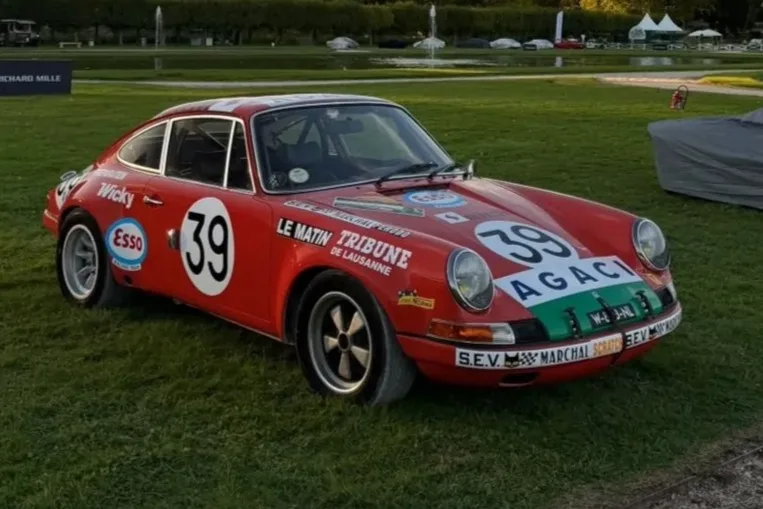
Issue des ateliers sous la forme d'un kit usine incluant l'option M471 (Sportausstattung), la Porsche 911 portant le numéro de châssis 9110301013 est habillée d'une éclatante teinte « Blood orange » (Orange sanguine). Elle est propulsée par un moteur 6 cylindres à plat de 2,3 litres (2380 cm³, bloc n°6301352) alimenté par pompe à injection, délivrant 240 chevaux pour un poids mesuré de 930 kilos.
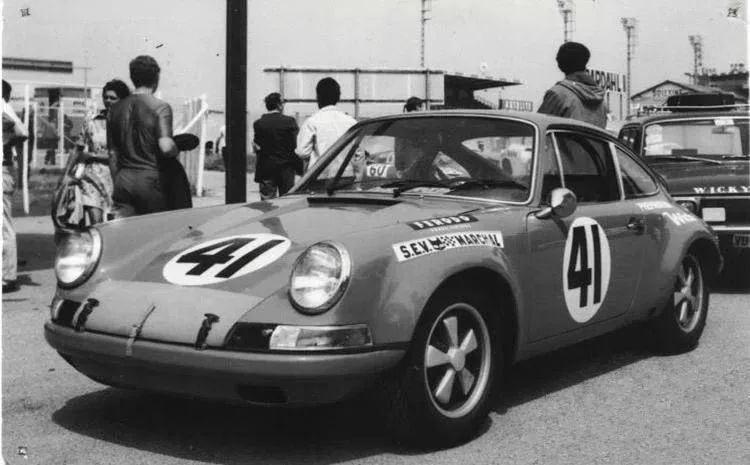
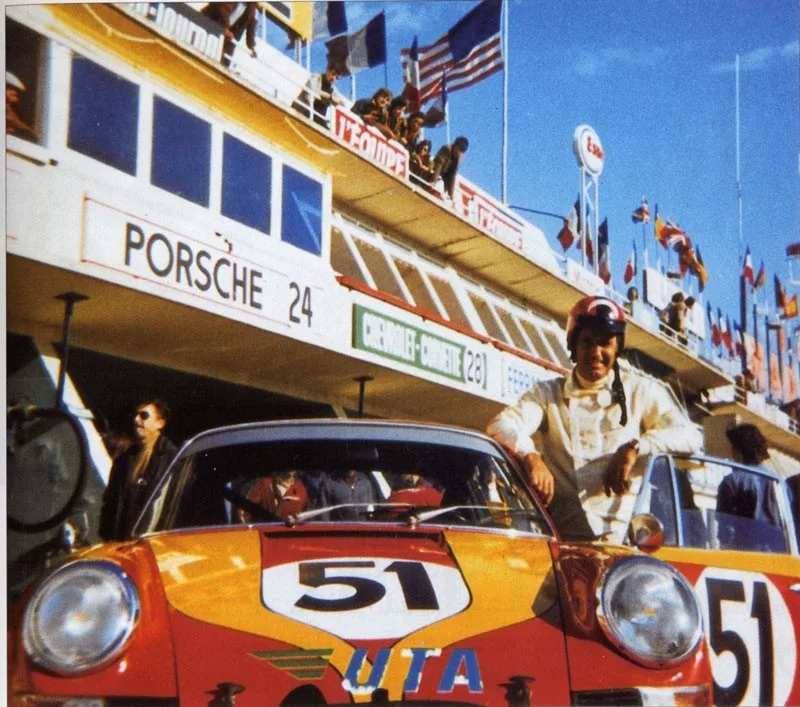
Le châssis est acquis neuf en 1970 par André Wicky et intègre immédiatement les rangs de son écurie, le Wicky Racing Team, basé à Lausanne. La voiture entame sa carrière en juin 1970 aux 24 Heures du Mans, où elle échoue malheureusement à se qualifier (DNQ) aux mains de Sylvain Garant et Jean Mesange (n°41). Elle se rattrape en fin de saison en s'adjugeant la 7e place aux Coupes du Salon, puis la 18e place au classement général des 1000 Kilomètres de Zeltweg.
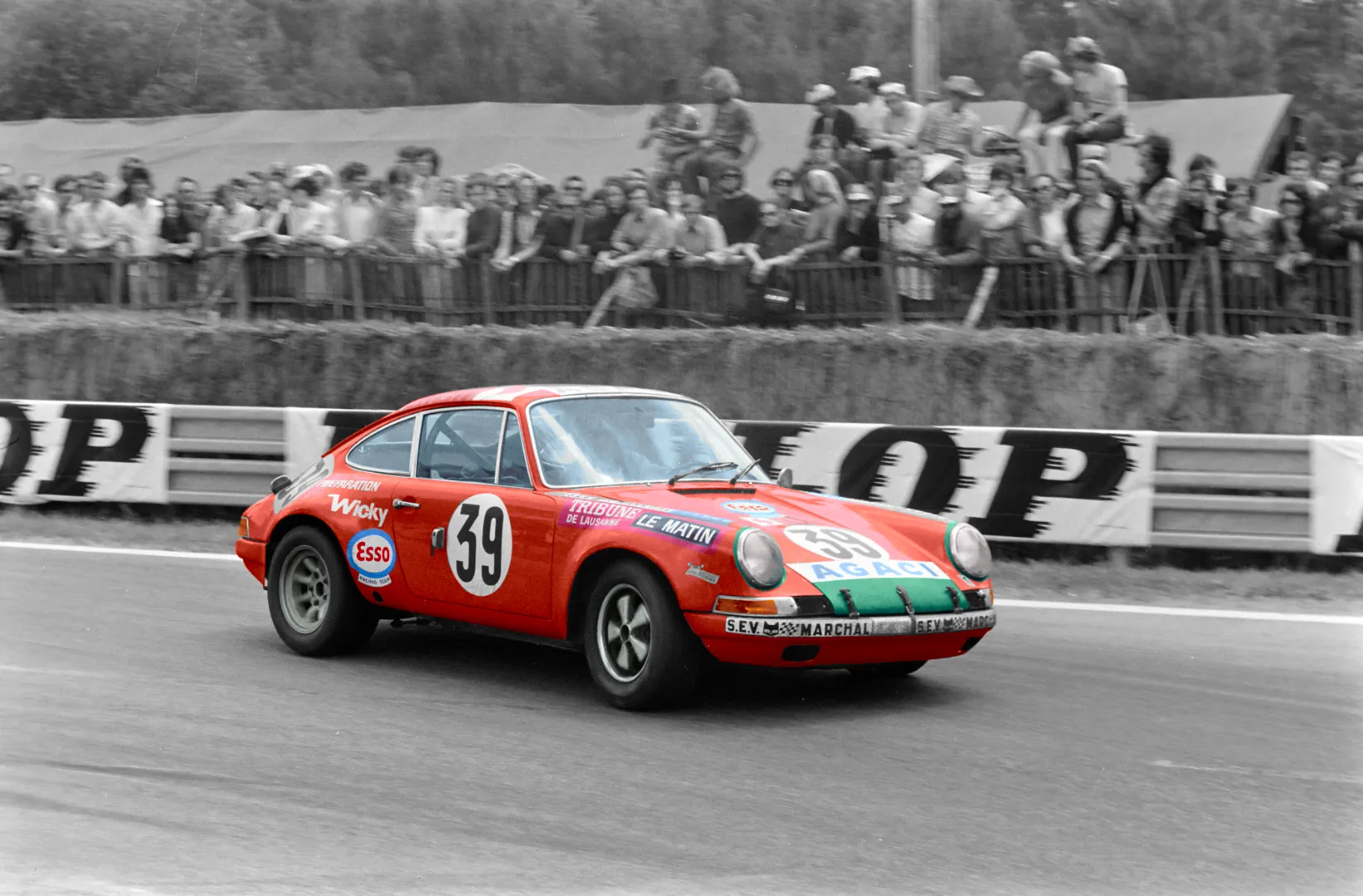
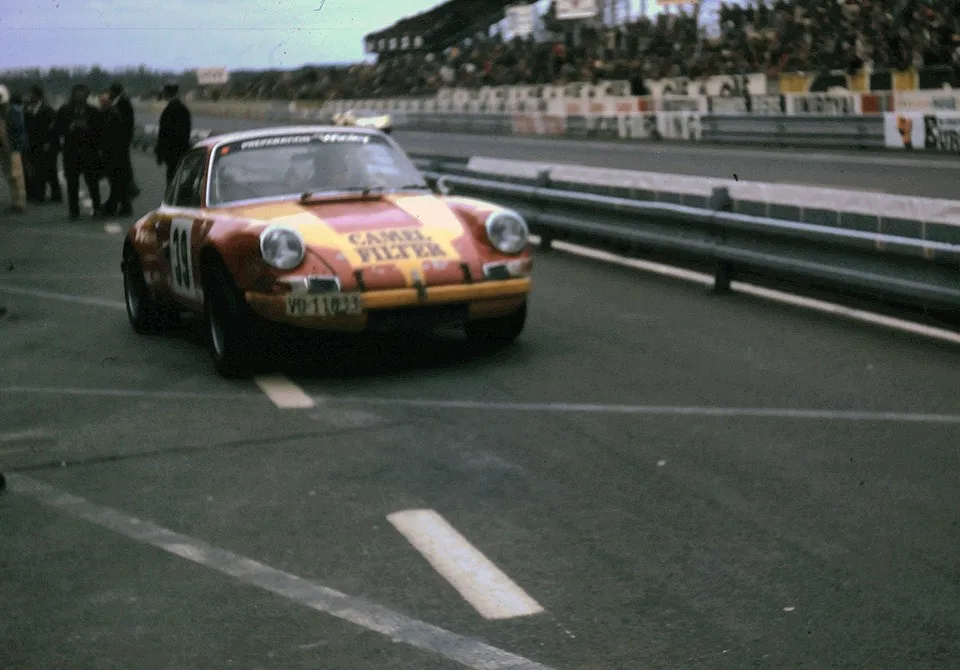
L'année 1971 marque son plus grand succès sarthois : engagée aux 24 Heures du Mans (n°39), elle fait preuve d'une belle régularité et rallie l'arrivée à une très honorable 11e place au classement général, pilotée par Guy Verrier et Gérard Foucault. Plus tard dans l'année, elle prend le départ du Grand National (Tour Auto) sous les couleurs de l'équipe Aseptogyl, avec l'équipage féminin formé par Christine Dacremont et Brigitte Vincent, mais est contrainte à l'abandon.
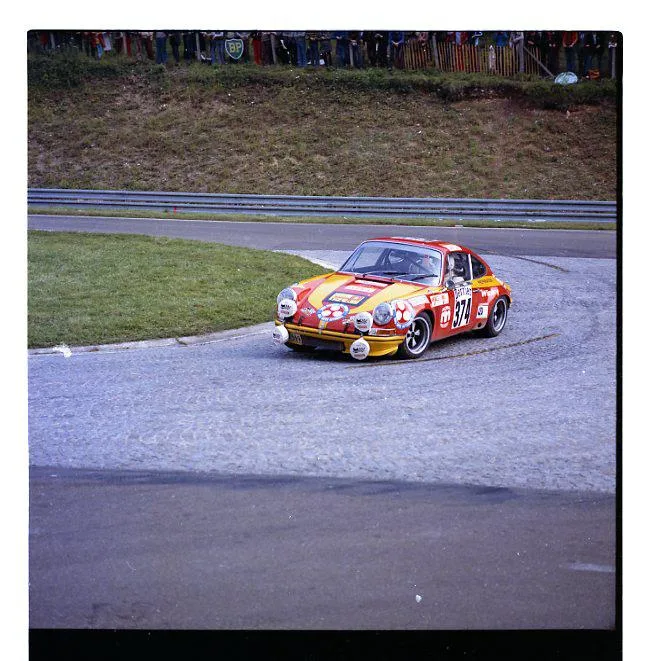
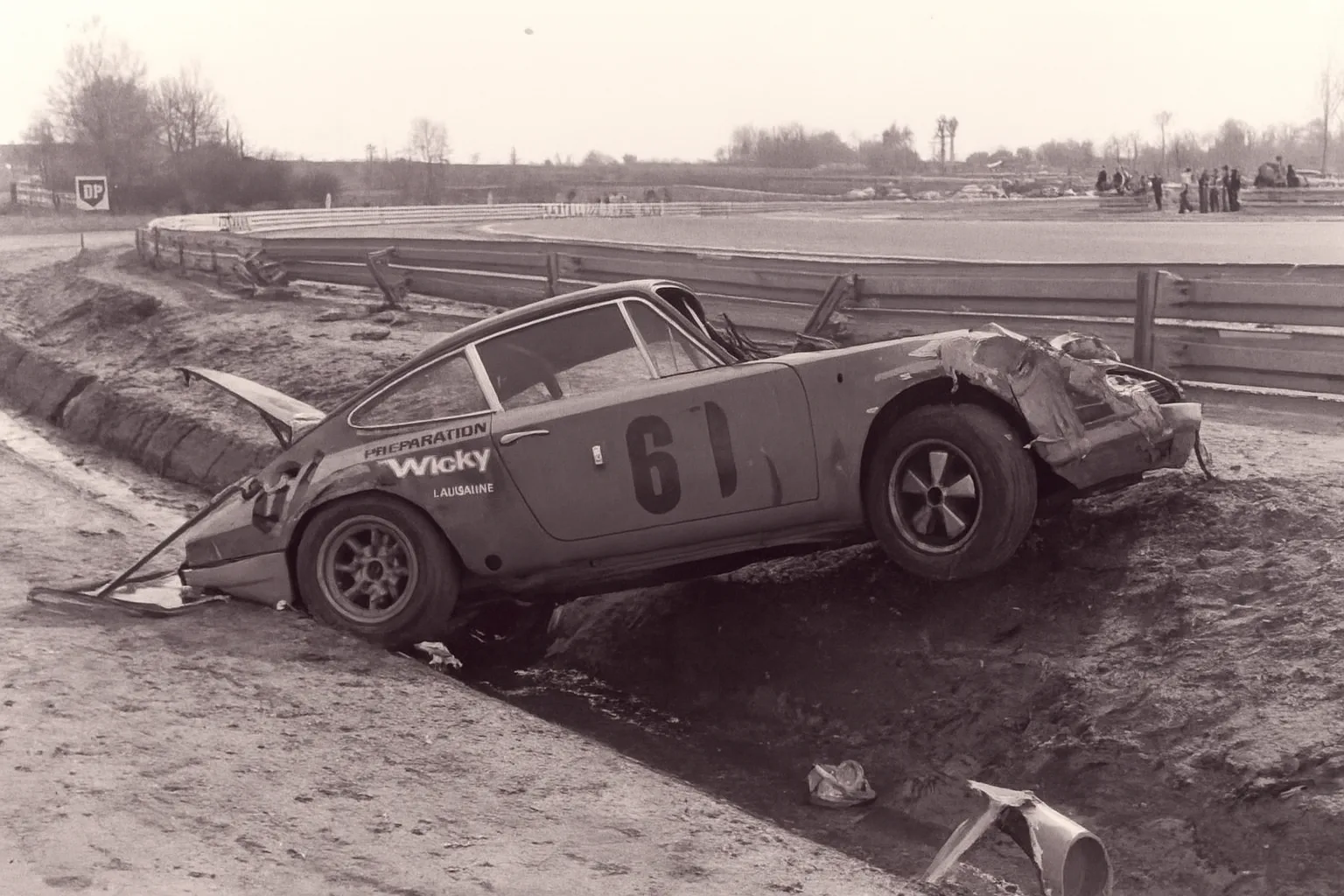
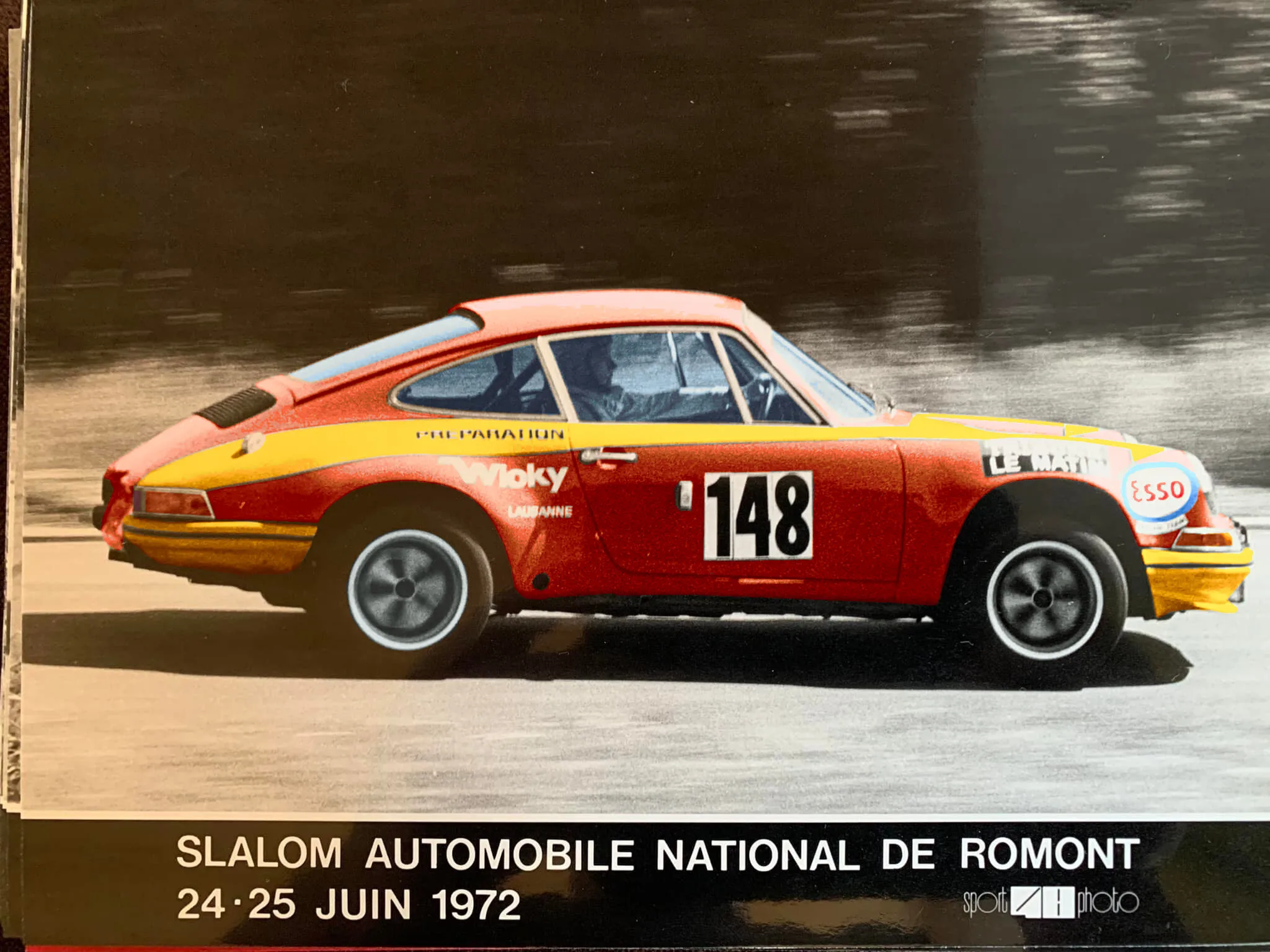
La saison 1972 s'avère particulièrement chargée. Elle participe aux 4 Heures du Mans en mars (DNF), se classe 12e à l'ECGT de Paris avec Hervé Bayard, puis subit deux non-qualifications consécutives aux 1000 Kilomètres du Nürburgring et aux 24 Heures du Mans avec le duo Aeschlimann et Diez. Elle fait également des apparitions en slalom à Romont et essuie un nouvel abandon au Grand National. En 1973, elle dispute encore les essais préliminaires du Mans (28e) et les 4 Heures du Mans (DNF) avec l'équipage Aeschlimann et Caron, marquant la fin de sa carrière d'époque majeure.
Après avoir passé une période en Italie dans la région de Milan, la voiture finit par retrouver la France. En 2024, elle est acquise par son propriétaire actuel basé à Lège-Cap-Ferret et bénéficie d'une restauration complète effectuée par le réputé Classic Garage - L'écurie Classic. Parfaitement remise en état, elle reprend la piste lors de la prestigieuse édition du Mans Classic 2025, partagée par Rémi Guillot et Matthieu Izidi. Très active sur la scène de la compétition historique, elle est également exposée à Boxengasse Megaphonic 25, participe au Tour Auto 2026 (avec Jean-Paul Madaleno et Charles Fouad Mejjati Alami) et s'affiche sur les pelouses du Chantilly Arts & Elegance 2026.
Emerging from the factory as a kit-form build—including the M471 (*Sportausstattung* or "sports equipment") option—this Porsche 911 (chassis number 9110301013) is finished in a striking "Blood Orange" hue. It is powered by a 2.3-liter (2,380 cc) flat-six engine (block no. 6301352) equipped with a fuel-injection pump, producing 240 horsepower, with a measured weight of 930 kilograms.
The chassis was purchased new in 1970 by André Wicky and immediately joined his racing stable, the Lausanne-based Wicky Racing Team. The car began its competitive career in June 1970 at the 24 Hours of Le Mans, where it unfortunately failed to qualify (DNQ) with drivers Sylvain Garant and Jean Mesange (car no. 41). It redeemed itself later that season by securing 7th place at the *Coupes du Salon*, followed by an 18th-place overall finish at the 1000 Kilometers of Zeltweg.
The year 1971 brought its greatest success at Le Mans: entered in the 24-hour race (car no. 39) and driven by Guy Verrier and Gérard Foucault, the car demonstrated impressive consistency, crossing the finish line in a highly respectable 11th place overall. Later that year, it competed in the *Grand National* (Tour Auto) under the banner of the Aseptogyl team, with an all-female driver lineup consisting of Christine Dacremont and Brigitte Vincent, though the car was ultimately forced to retire.
The 1972 season proved to be particularly busy. It took part in the 4 Hours of Le Mans in March (DNF), placed 12th at the Paris ECGT with Hervé Bayard, and subsequently failed to qualify for both the 1000 Kilometers of the Nürburgring and the 24 Hours of Le Mans with the driver pairing of Aeschlimann and Diez. It also made appearances in slalom events at Romont and suffered another retirement at the Grand National. In 1973, it competed in the Le Mans preliminary trials (finishing 28th) and the 4 Hours of Le Mans (DNF) with the crew of Aeschlimann and Caron—marking the end of its primary period of competitive racing.
After spending time in Italy, in the Milan region, the car eventually returned to France. In 2024, it was acquired by its current owner, based in Lège-Cap-Ferret, and underwent a complete restoration by the renowned Classic Garage - L'écurie Classic. Fully restored to pristine condition, it returned to the track for the prestigious 2025 edition of Le Mans Classic, driven by Rémi Guillot and Matthieu Izidi. Highly active on the historic racing scene, it was also exhibited at Boxengasse Megaphonic 25, took part in the 2026 Tour Auto (with Jean-Paul Madaleno and Charles Fouad Mejjati Alami), and was displayed on the lawns of the 2026 Chantilly Arts & Elegance.
.webp)
.webp)
.webp)
.webp)
.webp)
.webp)
.webp)
.webp)
.webp)
.webp)
.webp)